Few foods represent Italy quite like gelato. Creamy, dense and full of flavor, it is part of everyday life across the country, especially when summer arrives and an evening stroll seems incomplete without a cone in hand.
Gelato recipe: how to make authentic Italian ice cream
Published on

If you have ever wondered why the gelato you tasted in Rome felt so different from the ice cream you know at home, there is a reason. In this guide, you will discover what makes authentic Italian gelato unique, where it comes from, how Italians make it and, most importantly, how to recreate a classic gelato recipe at home.
What is gelato and what makes it different from ice cream?
Although gelato is the Italian word commonly used for ice cream, traditional Italian gelato has several characteristics that distinguish it from American-style ice cream.
The differences are mainly found in the balance of ingredients, the amount of air incorporated during freezing and the serving temperature.
Authentic Italian gelato generally contains:
- less fat
- more milk and less cream
- less incorporated air
- a denser texture
- a slightly warmer serving temperature
American ice cream tends to contain more cream and more butterfat. It is also churned in a way that incorporates more air, creating a lighter and fluffier consistency.
Gelato, on the other hand, is denser and smoother. Because it contains less fat, flavors such as pistachio, chocolate or hazelnut can come through more clearly.
It is also served slightly warmer than traditional ice cream. This softer temperature makes the texture silkier and allows the flavors to become noticeable from the very first spoonful.
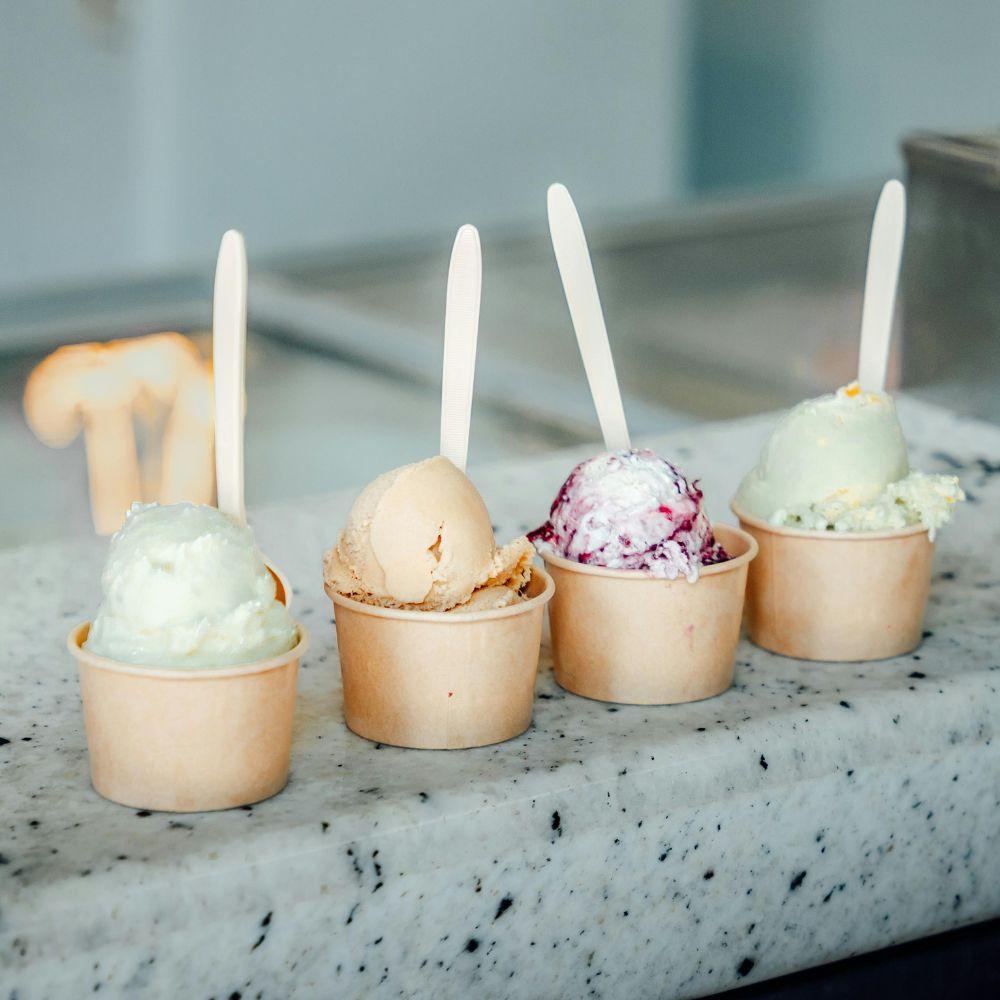
The history of gelato in Italy
The history of gelato stretches back centuries, although the frozen desserts enjoyed in the ancient world were very different from what we eat today.
Ancient Romans used snow and ice to cool drinks and sweet preparations, while later culinary traditions across the Mediterranean contributed to the development of sorbets and frozen desserts.
During the Renaissance, Florence became particularly important in the evolution of gelato. The 16th-century Florentine architect and artist Bernardo Buontalenti is traditionally associated with the creation of an early creamy frozen dessert made with ingredients such as milk, cream and eggs.
Over the centuries, Italian gelato makers helped spread their craft throughout Europe. Improvements in refrigeration eventually transformed gelato from an elite delicacy into something everyone could enjoy.
Today, gelato remains especially tied to What to eat in summer, when locals and travelers alike fill gelaterias during the afternoon and evening passeggiata.
The ingredients for authentic Italian gelato
A great Italian gelato recipe usually begins with surprisingly few ingredients. That simplicity makes ingredient quality especially important.
Fresh milk, good cream, sugar and natural flavorings create the foundation for most traditional recipes.
The base ingredients
Depending on the flavor, an authentic gelato base can include:
- whole milk
- cream, used in moderation
- sugar
- egg yolks for certain recipes
- natural flavorings
Egg yolks are common in flavors such as gelato alla crema, but they are not essential for every recipe.
Fiordilatte, for example, is traditionally made using milk, cream and sugar. Its delicate dairy flavor makes it one of the best recipes for understanding the fundamentals of homemade gelato.
Flavor ingredients
Once the base is ready, the possibilities are almost endless.
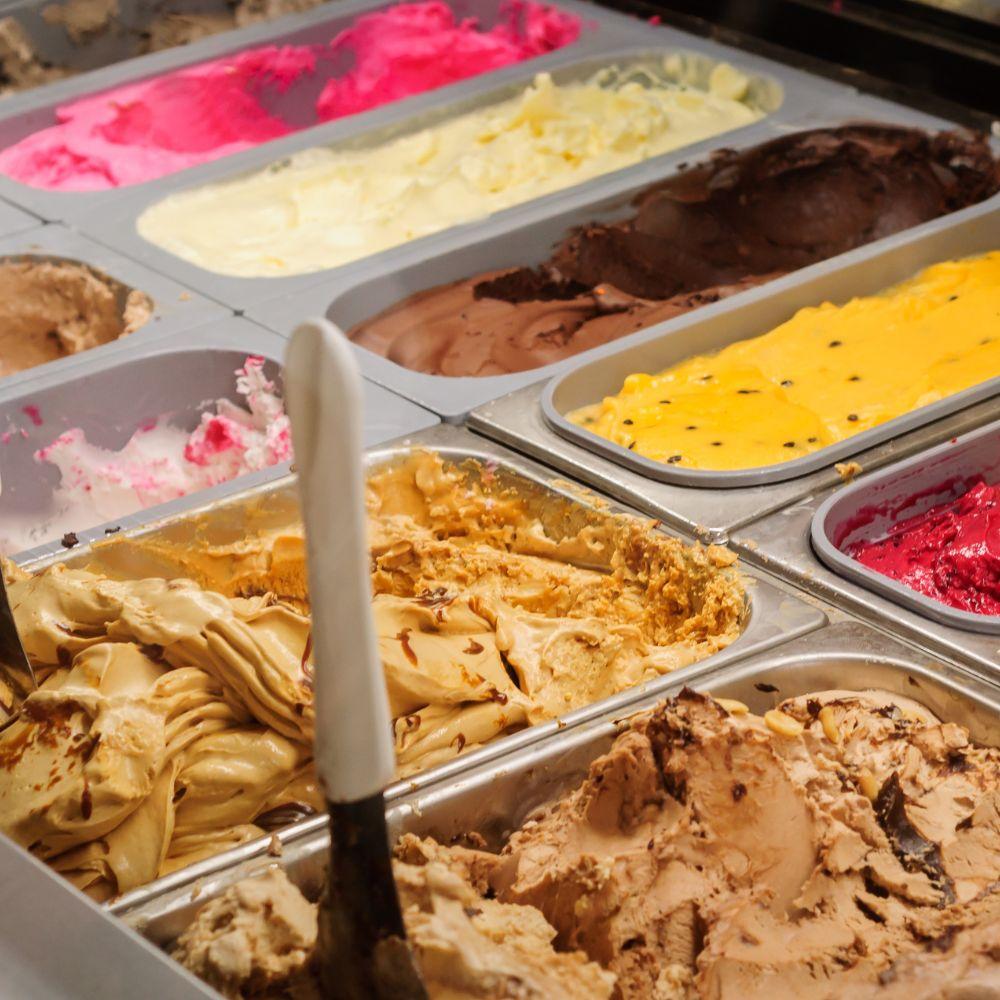
Some of the most classic Italian gelato flavors include:
- pistachio
- hazelnut
- chocolate
- lemon
- strawberry
- stracciatella
Authentic artisanal gelato should let its main ingredient speak for itself. Pistachio should taste of nuts, strawberry should taste of ripe fruit and lemon should have the freshness and acidity of real citrus.
Natural ingredients make all the difference.
Authentic gelato recipe: step-by-step
For your first attempt at homemade Italian gelato, fiordilatte is the perfect place to start.
Its simple recipe allows you to focus on the most important elements: balance, temperature and texture.
For approximately 6 servings, you will need:
- 2 cups / 500 ml whole milk
- 1 cup / 250 ml heavy cream
- 3/4 cup / 150 g granulated sugar
- a small pinch of salt
Step 1: Prepare the gelato base
Start by combining the milk, sugar and salt in a saucepan.
Warm gently over medium-low heat while stirring until the sugar has completely dissolved. Avoid bringing the mixture to a strong boil.
Remove it from the heat and stir in the cream.
If you are making an egg-based gelato instead, the yolks should be tempered gradually with some of the warm milk before being returned to the saucepan. For fiordilatte, however, no eggs are needed.
Step 2: Cool the mixture completely
Cooling the base properly is one of the most important steps when learning how to make gelato at home.
Transfer the mixture to a covered container and refrigerate it for at least 3 to 4 hours, or ideally overnight.
Starting with a very cold base helps the mixture freeze faster and creates a smoother texture with smaller ice crystals.
Step 3: Churn slowly
Pour the chilled mixture into your ice cream maker and churn according to the manufacturer's instructions, usually for around 20 to 30 minutes.
Gelato should remain relatively dense, so the aim is not to incorporate as much air as possible.
Stop when the mixture becomes thick, creamy and similar to very soft ice cream.
If you do not have an ice cream maker, place the mixture in a shallow freezer-safe container and stir it thoroughly every 30–40 minutes during the first few hours. The result will be slightly different, but you can still achieve a pleasantly creamy texture.
Step 4: Freeze and serve at the right temperature
Transfer your freshly churned gelato to an airtight container and freeze it for around 2 hours.
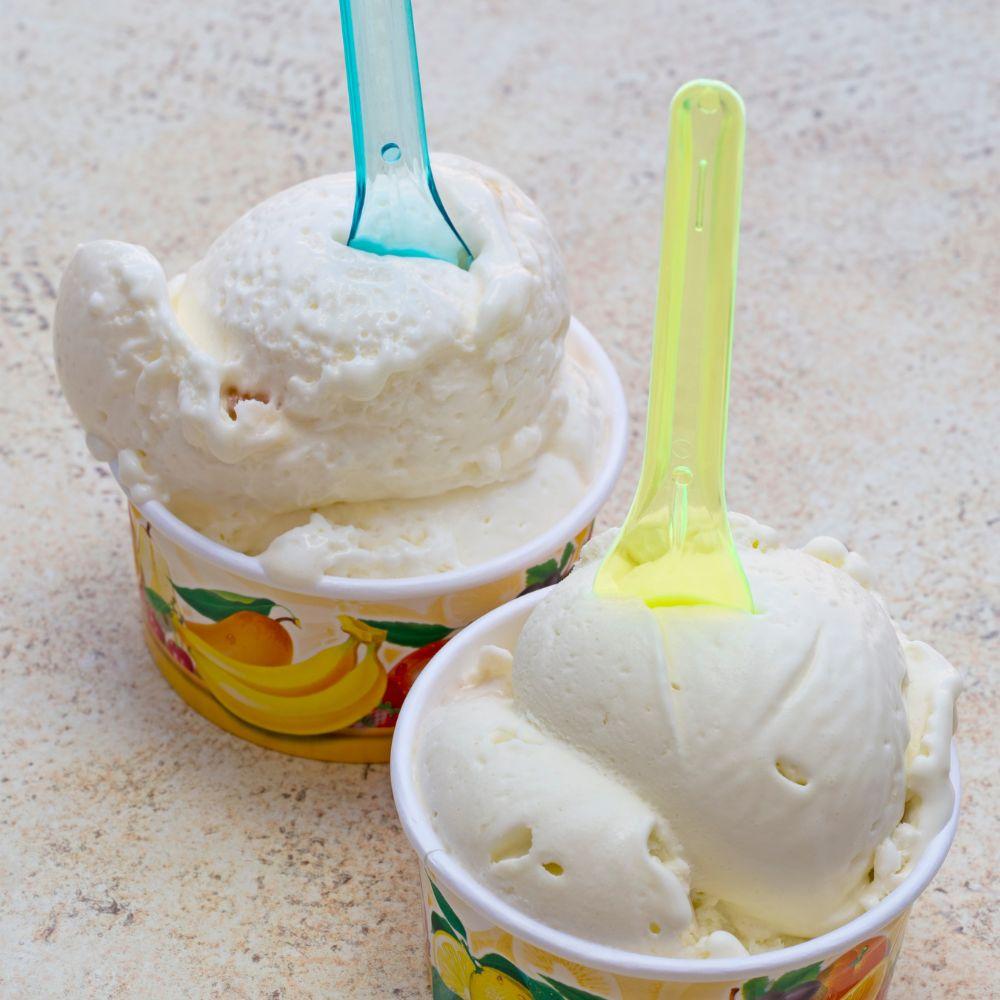
If the gelato has been stored overnight, remove it from the freezer approximately 10 to 15 minutes before serving.
This small detail matters. Gelato should be soft enough to scoop easily, and serving it slightly warmer allows its flavors to become much more expressive.
Common mistakes when making gelato at home
A homemade gelato recipe may look simple, but small mistakes can quickly affect the final texture.
Here are some of the most common ones to avoid.
Using too much cream.
Gelato should have a strong milk component. Excess cream makes the result closer to traditional ice cream.
Gelato should have a strong milk component. Excess cream makes the result closer to traditional ice cream.
Skipping the chilling stage.
A warm base freezes slowly and can produce larger ice crystals.
A warm base freezes slowly and can produce larger ice crystals.
Incorporating too much air.
Authentic gelato should feel dense and smooth rather than fluffy.
Authentic gelato should feel dense and smooth rather than fluffy.
Overfreezing it.
Home freezers are very cold. Allow your gelato to soften slightly before serving.
Home freezers are very cold. Allow your gelato to soften slightly before serving.
Using artificial flavorings.
Whenever possible, choose real fruit, nuts, chocolate and other natural ingredients.
Whenever possible, choose real fruit, nuts, chocolate and other natural ingredients.
The most popular gelato flavors in Italy
Walking into an Italian gelateria can make choosing a flavor unexpectedly difficult. There are dozens of possibilities, but certain classics appear almost everywhere.
Among the favorites are:
Pistacchio – creamy, nutty and naturally muted in color.
Nocciola – roasted hazelnut, particularly associated with Piedmont.
Stracciatella – a milk-based gelato filled with fine pieces of chocolate.
Cioccolato – ranging from creamy milk chocolate to intense fondente.
Limone – refreshing, citrusy and perfect on a hot afternoon.
Fragola – especially good when strawberries are in season.
Different regions also inspire their own combinations, from Sicilian pistachios and citrus fruits to Piedmontese hazelnuts.
How to recognize authentic artisanal gelato
When visiting Rome, knowing how to spot a good gelateria can save you from some very colorful tourist traps.
Fortunately, there are a few useful clues to look for.
Check the colors.
Pistachio should not be fluorescent green. Natural ingredients usually produce softer shades.
Pistachio should not be fluorescent green. Natural ingredients usually produce softer shades.
Be cautious with huge mountains of gelato.
Gelato piled dramatically high above the containers can sometimes indicate excessive air or stabilizers.
Gelato piled dramatically high above the containers can sometimes indicate excessive air or stabilizers.
Look for seasonal flavors.
Fresh peach, fig, strawberry or melon should naturally appear when those fruits are at their best.
Fresh peach, fig, strawberry or melon should naturally appear when those fruits are at their best.
Check the texture.
Artisanal gelato should look smooth and creamy rather than foamy or icy.
Artisanal gelato should look smooth and creamy rather than foamy or icy.
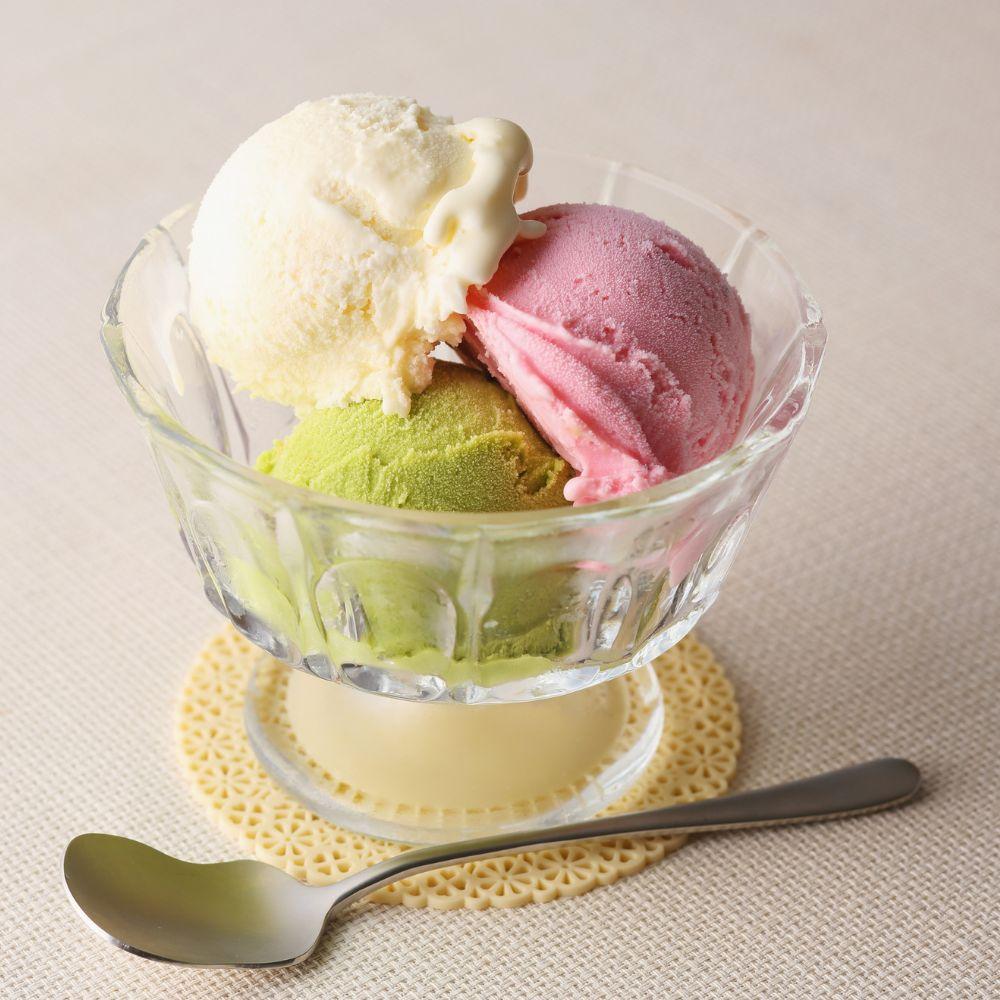
And if you need a quick test, start with pistachio. Its color and flavor can tell you quite a lot about the quality of a gelateria.
Why learning gelato in Italy is a completely different experience
Following a recipe at home teaches you the fundamentals. Making gelato beside an Italian chef allows you to understand all the small details that are difficult to learn from written instructions alone.
Temperature, sugar, fat and air all affect the final consistency. Even changing from chocolate to fruit can require adjusting the balance of a recipe.
During a hands-on cooking class, you can see what the mixture should look like, understand the right texture and ask questions while you work.
And, naturally, tasting your creation at the end is part of the lesson.
Learn to make authentic gelato with InRome Cooking
If you are visiting Rome, you can take your gelato obsession one step further with a hands-on experience at InRome Cooking.
Our local chefs welcome travelers into our cooking schools in Rome's historic center, where you can discover Italian recipes, techniques and ingredients while preparing everything yourself.
Families can join our Gelato and Italian Biscotti Making Class for Kids, designed to make cooking engaging and interactive for younger travelers.
For a complete Italian meal, our Hands-on Pasta Making Class & Gelato combines fresh handmade pasta with homemade gelato.
Pizza lovers can instead choose our Private Pizza Making Class & Gelato, preparing two of Italy's most famous foods during the same private experience.
Want to learn how real Italian gelato is made? Join an InRome Cooking class in Rome and discover the techniques behind one of Italy's most loved desserts. Whether you are traveling with kids, friends or family, you will return home with new cooking skills — and a recipe worth making again.
Back to top