Summer in Rome has a rhythm of its own. The city glows in the morning light, fountains become meeting points, and long evenings invite you to stay outside just a little longer. During July and August, the heat also shapes the way Romans eat.
What to eat in Rome in Summer: Light and Refreshing Dishes
Published on
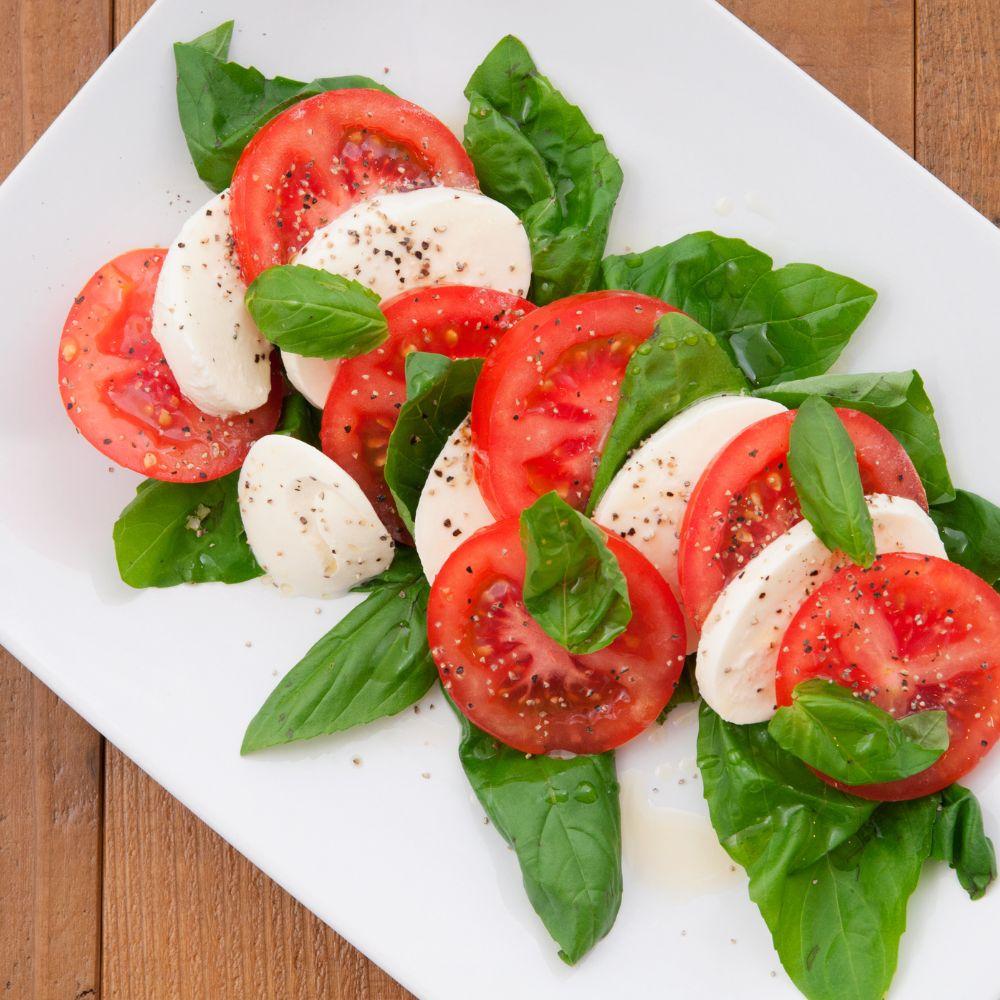
When temperatures rise, meals become lighter, fresher, and more seasonal. Rich winter dishes give way to ripe tomatoes, fragrant basil, chilled drinks, crisp vegetables, fresh mozzarella, simple pastas, fruit, seafood, and gelato enjoyed during an afternoon break or an evening stroll.
This guide will help you understand what to eat in Rome in summer, so you can enjoy authentic Roman food, feel comfortable during the hottest months of the year, and discover the seasonal flavors locals love most.
Eating in Rome During Summer: How Locals Adapt to the Heat
Eating well in Rome during summer starts with understanding the local rhythm. Romans continue to enjoy beautiful meals in warm weather, with choices that follow the season and the temperature.
Lunch is usually lighter, dinner often happens later, and fresh ingredients become the center of the table. This way of eating feels natural in a city where daily life changes with the heat.
During the hottest hours of the day, many locals choose simple dishes that feel fresh and easy to enjoy. A plate of seasonal vegetables, mozzarella with tomatoes, cold rice salad, pizza by the slice, or pasta with fresh tomato and basil can be much more appealing than a long, heavy lunch.
As evening arrives, the appetite changes again. The air becomes softer, streets fill with people, and restaurants come alive. This is the moment when a more traditional Roman dinner feels especially satisfying.
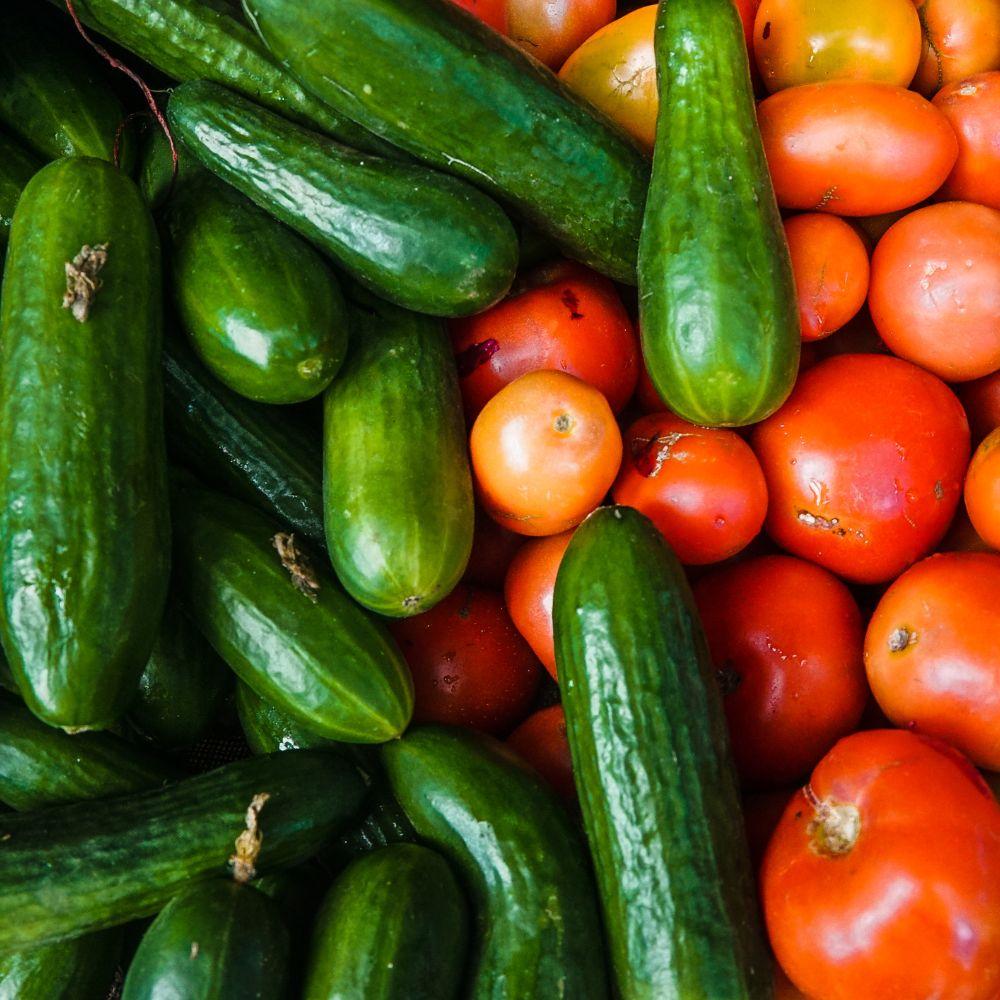
Summer food in Rome is also deeply connected to the market. Tomatoes, zucchini, zucchini blossoms, eggplants, peppers, basil, arugula, peaches, watermelon, figs, and melon appear everywhere. Menus become brighter, more colorful, and more refreshing.
For travelers, this approach is useful. Choosing the right food at the right time helps you enjoy a full day of sightseeing, walking, shopping, museum visits, and sunset aperitivo without feeling weighed down.
Why Heavy Roman Dishes are Better Saved for Cooler Evenings
Rome is famous for generous, flavorful dishes. Carbonara, amatriciana, coda alla vaccinara, and trippa alla romana are part of the city's culinary identity, and they deserve a place in any Roman food itinerary.
During summer, timing makes all the difference. A rich Roman dish can feel much more enjoyable after sunset, when the city cools down, and dinner becomes a slower, more relaxed experience.
Carbonara is creamy, salty, peppery, and deeply satisfying. Amatriciana brings together tomato, guanciale, pecorino, and a bold Roman character. Coda alla vaccinara and trippa alla romana belong to the hearty side of the city's traditional cooking, with low preparation and intense flavors.
These dishes can feel quite rich during a hot July or August lunch, especially before an afternoon at the Colosseum, the Vatican Museums, the Roman Forum, or the Spanish Steps.
Enjoying them in the evening allows you to appreciate them properly. Picture a late dinner in Trastevere or Testaccio, a glass of wine, a plate of amatriciana, and a slow walk through Rome after dark. The same dish suddenly feels perfectly placed.
If you are wondering what to eat in Rome this summer, this is one of the most useful tips: keep the iconic classics on your list, and choose the moment carefully.
Light Pasta Dishes Romans Love in Summer
Pasta remains central to Roman eating in every season. In summer, the best pasta dishes often become simpler, fresher, and more focused on seasonal ingredients.
The beauty of Roman summer pasta is its balance. A few excellent ingredients, cooked well, can create a meal that feels satisfying and light enough for a warm day.
Many summer pasta dishes highlight tomatoes, basil, zucchini, eggplant, pecorino, olive oil, seafood, or fresh herbs. They are easy to enjoy at lunch, beautiful at dinner, and perfect for travelers looking for authentic Roman food that fits the season.
Cacio e Pepe for a Simple but Satisfying Meal
Cacio e pepe is one of the most famous Roman pasta dishes, made with pasta, Pecorino Romano, black pepper, and starchy pasta water. Its simplicity is part of its charm.
In summer, cacio e pepe works best in a moderate portion, especially when you want something traditional without choosing a meat-based sauce.
The flavor is bold, salty, creamy, and peppery, with no need for cream or complicated ingredients. It is a wonderful example of how Roman cooking can turn very little into something memorable.
For American travelers, cacio e pepe often feels familiar and surprising at the same time. It has the comfort of a creamy pasta, with a sharper and more elegant flavor thanks to Pecorino Romano and freshly ground black pepper.
Pasta With Fresh Tomato and Basil
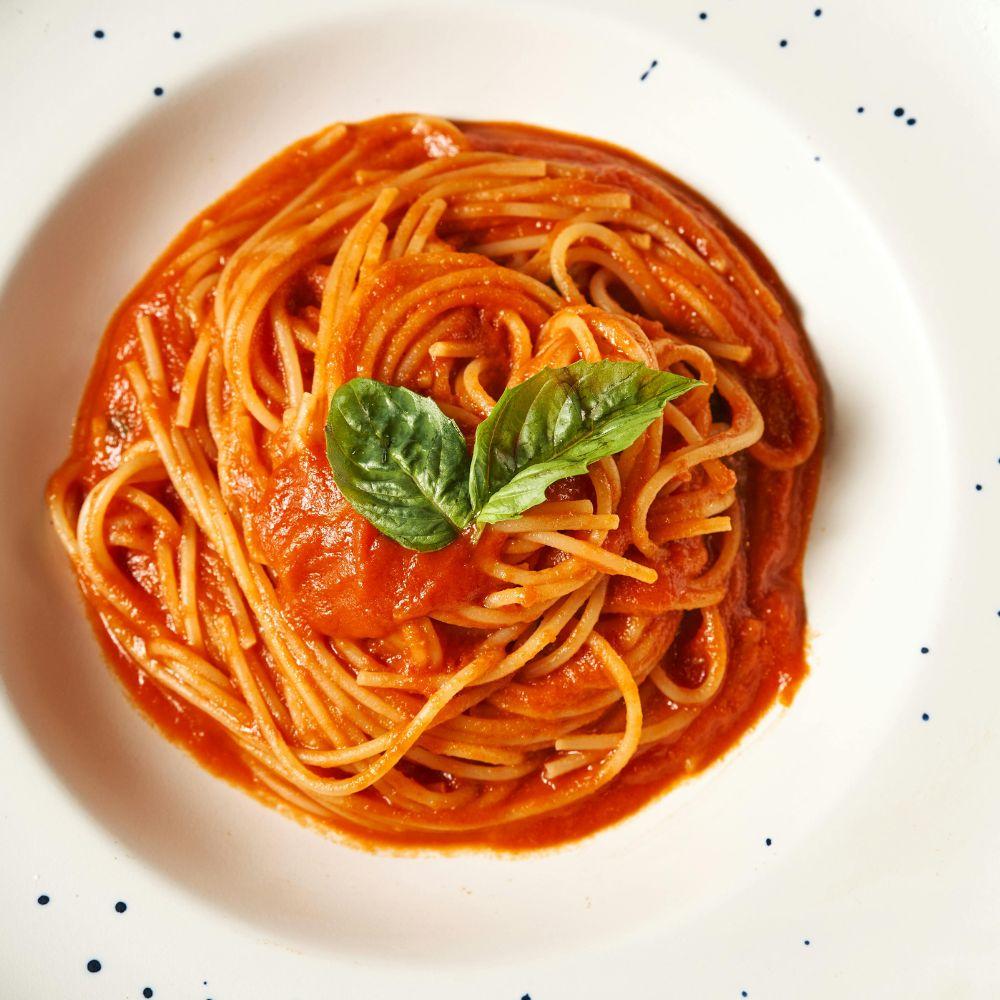
Pasta with fresh tomato and basil is one of the most refreshing dishes to eat in Rome in summer. It is simple, colorful, fragrant, and deeply connected to the season.
When tomatoes are ripe and basil is fresh, this dish becomes one of the best examples of Italian summer cooking.
The sauce can be barely cooked or prepared with fresh chopped tomatoes, extra virgin olive oil, basil, and something a little garlic. The result is light, bright, and full of flavor.
This is the kind of dish that makes sense after a morning of sightseeing. It gives you the pleasure of pasta without making the rest of your day feel slower. Add sparkling water, a chilled white wine, or a simple salad, and you have an ideal Roman summer lunch.
Cold Pasta and Seasonal Variations
Cold pasta, known in Italy as pasta fredda, is a classic warm-weather dish in homes, beach lunches, casual cafés, and family meals. It is usually served cold or at room temperature.
This dish is practical, colorful, and easy to adapt with summer ingredients. It often includes cherry tomatoes, mozzarella, olives, tuna, basil, zucchini, eggplant, or other vegetables from the market.
Cold pasta is especially useful for travelers staying in an apartment or joining a cooking class in Rome. It is easy to recreate at home and gives you a real sense of everyday Italian cooking.
It also shows how flexible pasta can be. In summer, pasta can be fresh, light, and relaxed, with flavors that feel perfect for warm weather.
Seasonal Vegetables That Define Roman Summer Cooking
Summer cooking in Rome is closely tied to fresh vegetables. Markets fill with colorful produce, and many local dishes become simpler, lighter, and more seasonal.
For travelers, this is one of the easiest ways to understand Roman food in summer. Look at what is fresh at the market, and you will often know what to order at the table.
Tomatoes are one of the stars of the season. You will find them in salads, pasta sauces, bruschetta, and simple plates with mozzarella, basil, olive oil, and a pinch of salt.
Zucchini and zucchini blossoms are also very popular in Rome during summer. Zucchini can be grilled, sautéed, or served with pasta, while zucchini blossoms are often fried and filled with mozzarella and anchovy.
Eggplants and peppers appear in many summer dishes, too. They may be grilled, roasted, marinated, or served as side dishes with meat, fish, cheese, or bread.
Basil and arugula add freshness to many plates. Basil gives a sweet, fragrant flavor to tomatoes and pasta, while arugula brings a peppery note to salads, pizza, mozzarella, and cured meats.
When you are choosing what to eat in Rome in summer, seasonal vegetables are always a good sign. They keep meals fresh, colorful, and connected to the way Romans naturally eat during the hottest months.
The Best Roman Street Food for Hot Days
Summer sightseeing in Rome often means early starts, long walks, museum visits, shopping, and sudden stops for something cold. Roman street food fits perfectly into this kind of day.
A quick bite can be more useful than a long lunch when you are exploring the city in warm weather. Pizza by the slice, supplì, sandwiches, and gelato breaks help you enjoy Rome in a flexible way.
Street food also gives travelers a delicious look at everyday Roman life. These are foods locals eat between errands, during lunch breaks, after school, before dinner, or while walking through the neighborhood.
Pizza Romana al Taglio
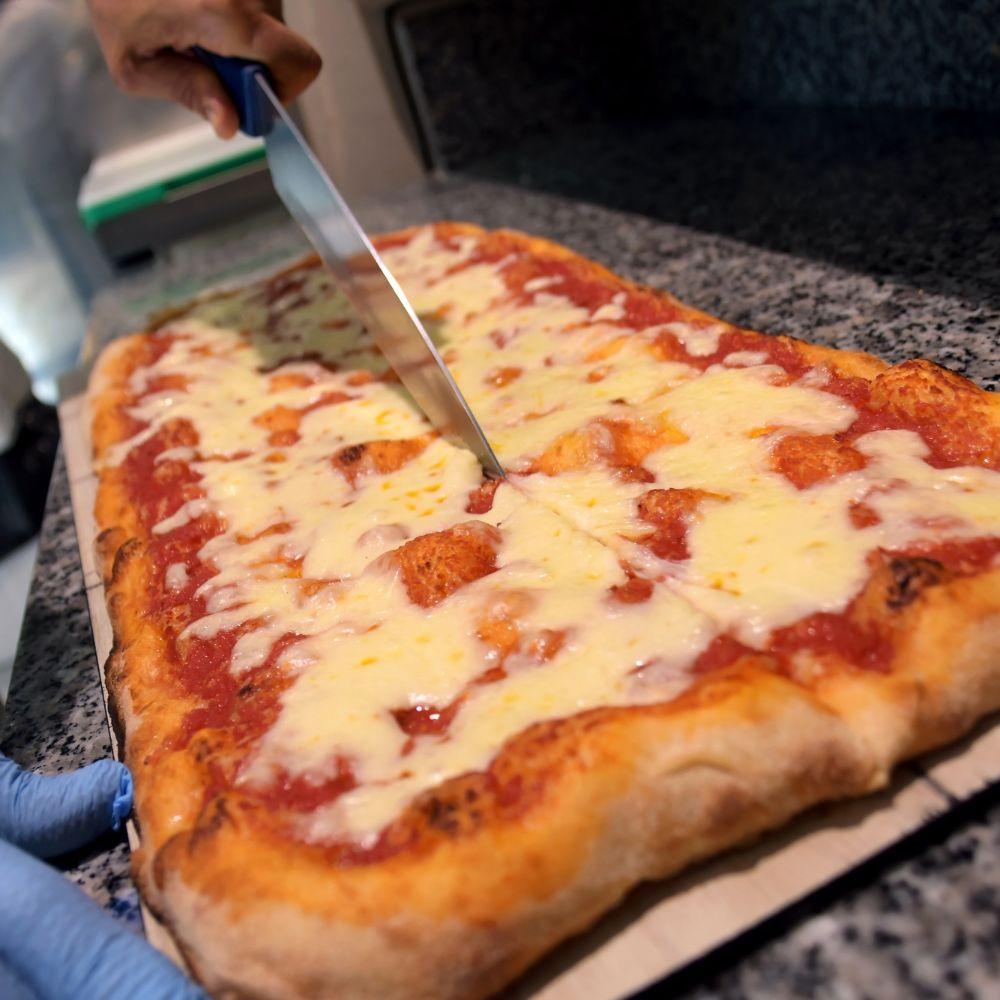
Pizza romana al taglio, or Roman pizza by slice, is one of the best foods to eat in Rome during summer. It is quick, easy, and perfect when you want something casual between sightseeing stops.
The pizza is usually baked in large rectangular trays and cut according to how much you want. You can order a small piece as a snack or a large portion for lunch.
In summer, lighter toppings are especially appealing. Look for cherry tomatoes, zucchini, eggplant, mozzarella, arugula, potatoes, and rosemary, or simple tomato sauce.
Pizza bianca is another Roman favorite. Made with olive oil and salt, it is simple, fragrant, and excellent on its own or filled with ingredients like prosciutto, mozzarella, or grilled vegetables.
Supplì
Supplì are one of Rome's most beloved street foods. These fried rice balls are usually made with tomato rice and mozzarella, then fried until crisp outside and soft inside.
They are warm, savory, and comforting, with melted mozzarella in the center. A good supplì is simple, satisfying, and full of Roman personality.
During summer, one supplì can be the perfect snack, especially in the late afternoon or evening. It gives you a taste of classic Roman street food without turning into a full meal.
Supplì are especially fun to try during a food tour in Rome, when a local guide can show you where to find versions made with care and explain why this small bite is so loved.
Porchetta Sandwiches
Porchetta is slow-roasted pork seasoned with herbs, garlic, and spices. Served in bread, it becomes one of central Italy's most flavorful sandwiches.
A porchetta sandwich is rich, aromatic, and deeply satisfying. It is especially good for a late lunch, an early dinner, or a casual food stop during a neighborhood walk.
The best versions have tender meat, crisp edges, and good bread that holds everything together. The flavor is generous and unmistakably Italian.
For summer, porchetta works well when paired with something fresh: sparkling water or a cold Italian beer during an evening food experience.
Fresh Dishes and Summer Favorites Beyond Pasta
Summer food in Rome goes far beyond pasta. Many warm-weather favorites are built around fresh cheese, ripe fruit, seasonal vegetables, rice, seafood, and cured meats.
These dishes are ideal for travelers who want something authentic, satisfying, and easy to enjoy on a hot day. They also reflect the effortless side of Italian summer eating.
The combinations are often simple and beautiful: tomatoes with mozzarella, melon with prosciutto, seafood with lemon, rice with vegetables, basil with olive oil. The ingredients do most of the work.
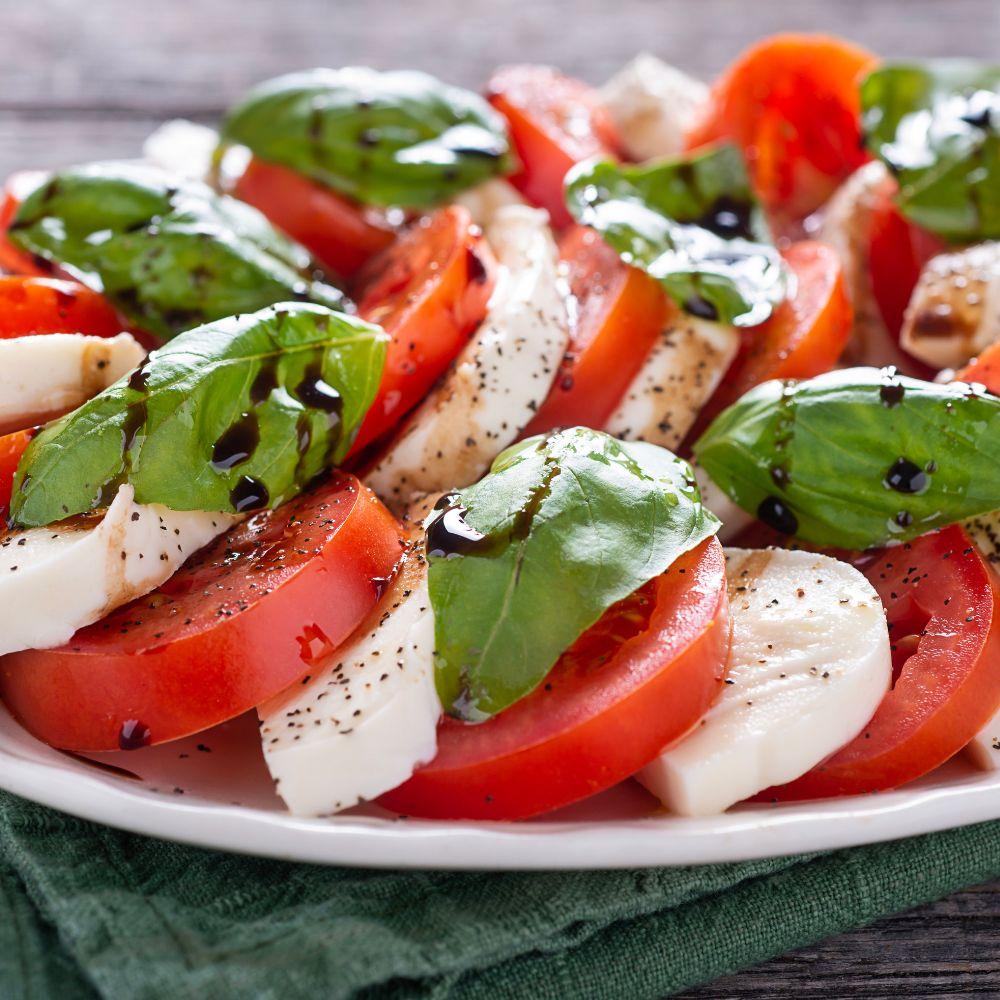
Caprese salad is one of the most popular summer choices. Made with tomatoes, mozzarella, basil, olive oil, and sometimes oregano, it is fresh, colorful, and perfect for a light lunch.
Buffalo mozzarella is another excellent warm-weather dish. Creamy, rich, and fresh, it pairs beautifully with tomatoes, prosciutto, grilled vegetables, or arugula.
Prosciutto e melon is a classic Italian summer pairing. The sweetness of ripe melon and the saltiness of cured ham create a combination that feels refreshing and indulgent at the same time.
Rice salads are also common in summer, especially in casual settings. They may include vegetables, olives, tuna, mozzarella, herbs, or other seasonal ingredients served cold or at room temperature.
Fresh seafood dishes are especially appealing in the warmer months. Rome is close to the coast, and many restaurants serve pasta with clams, grilled fish, calamari, shrimp, mussels, or seafood salads. These dishes are often best enjoyed at dinner, with a glass of chilled white wine and a slower evening pace.
Gelato is Part of Summer in Rome
Gelato is one of the great pleasures of summer in Rome. It appears during afternoon breaks, after dinner walks, family outings, and spontaneous stops between one piazza and the next.
When the day is hot, a good gelato can completely change your mood. It is fresh, creamy, flavorful, and easy to enjoy while walking through the city.
Romans enjoy gelato throughout the warm months, especially in the evening. After dinner, streets and piazzas fill with people holding cones and cups, choosing flavors like pistachio, hazelnut, lemon, strawberry, dark chocolate, coffee, crema, or seasonal fruit.
Finding authentic artisanal gelato is part of the experience. Look for natural colors, seasonal flavors, and gelato that looks fresh. Pistachio should have a natural tone, fruit flavors should taste clean and bright, and the texture should be creamy without feeling heavy.
A good gelateria usually focuses on quality ingredients. Many of the best places keep gelato in covered metal containers, a sign that freshness and temperature are being carefully protected.
For more inspiration, read this related article from Walks Inside Rome.
For families, couples, and curious food lovers, gelato can also become an experience to learn. A gelato-making class in Rome is a fun way to understand how real Italian gelato is prepared, and it gives you a delicious skill to bring home.
What to Drink in Rome During Summer
What you drink in Rome during summer can shape your whole day. The heat, the walking, and the long sightseeing hours make hydration and refreshing drinks essential.
Romans have their own summer habits, from a quick espresso at the bar to an evening aperitivo with a spritz or a glass of wine. Travelers can follow the same rhythm to feel more comfortable in the city.
The most important drink is water. Rome has public drinking fountains called nasoni, where you can refill your bottle with fresh water throughout the day. Carrying a refillable bottle is one of the smartest things you can do in summer.
Coffee remains part of daily life even when temperatures rise. Italians still drink espresso in summer, often quickly at the counter. It is short, intense, and part of the everyday Roman routine.
For something colder, try caffé shakerato. It is made by shaking espresso with ice and sometimes sugar, creating a refreshing coffee drink with a light foam on top. Crema di caffé is another summer favorite in Rome: sweet, cold, creamy, and somewhere between coffee and dessert.
Aperitivo is one of the loveliest summer rituals in Rome. In the early evening, locals gather for a spritz, a glass of wine, or a light cocktail with small bites. It is the perfect moment to slow down before dinner.
For wine, summer meals often pair well with crisp whites, sparkling wines, chilled rosé, or lighter reds served slightly cool. These wines match beautifully with seafood, vegetables, mozzarella, salads, and simple pasta dishes.

Where to Enjoy the Best Summer Food in Rome
Rome's best summer food experiences are often found in neighborhoods where markets, bakeries, trattorias, cafés, and street food shops are part of daily life.
Choosing the right area can make your meal feel more local and more memorable. Each neighborhood has its own rhythm, flavors, and food traditions.
Explore places where Romans shop, eat, drink coffee, and meet friends. This is where summer food in Rome becomes especially rewarding.
Trastevere is one of the best areas for evening food walks. Its narrow streets, wine bars, trattorias, gelaterias, and casual food stops make it ideal after sunset, when the neighborhood becomes lively and atmospheric.
Testaccio is a true food neighborhood. Known for its market, traditional Roman cuisine, bakeries, and local food history, it is perfect for travelers who want to go deeper into authentic Roman food.
Campo de' Fiori is famous for its morning market and central location. It is a good place to explore seasonal produce, nearby bakeries, casual lunch spots, and classic Roman ingredients.
Prati, close to the Vatican, offers excellent cafés, restaurants, gelaterias, bakeries, and food shops. It is a smart choice for travelers who want a more local food experience near one of Rome's busiest sightseeing areas.
These neighborhoods help you understand Rome through food. Markets show the season, street food shows daily habits, and local restaurants show how traditional dishes adapt to summer.
Discover Authentic Roman Food With InRome Cooking Food Tours
If you want to taste Rome the way locals do in summer, an InRome Cooking food tour is the perfect place to start. Follow an expert guide through local neighborhoods, discover seasonal Roman dishes, explore markets and street food stops, and enjoy the flavors that make the city so special during the warmest months of the year.
For travelers who want to bring a piece of Rome home with them, a hands-on cooking class is another delicious way to experience the season. Learn how to prepare fresh Italian recipes, work with simple ingredients, and turn your time in Rome into something you can recreate long after your trip.
Explore our Rome food tours and cooking classes, and discover summer in the Eternal City one unforgettable bite at a time.
Back to top