Saltimbocca alla Romana is one of the most loved secondi piatti in Roman cuisine, a dish that perfectly captures the local way of cooking. Few ingredients, precise gestures, no unnecessary additions, everything is about balance, respect for raw materials, and flavor that feels immediate and memorable.
Saltimbocca alla Romana: Traditional Roman Veal
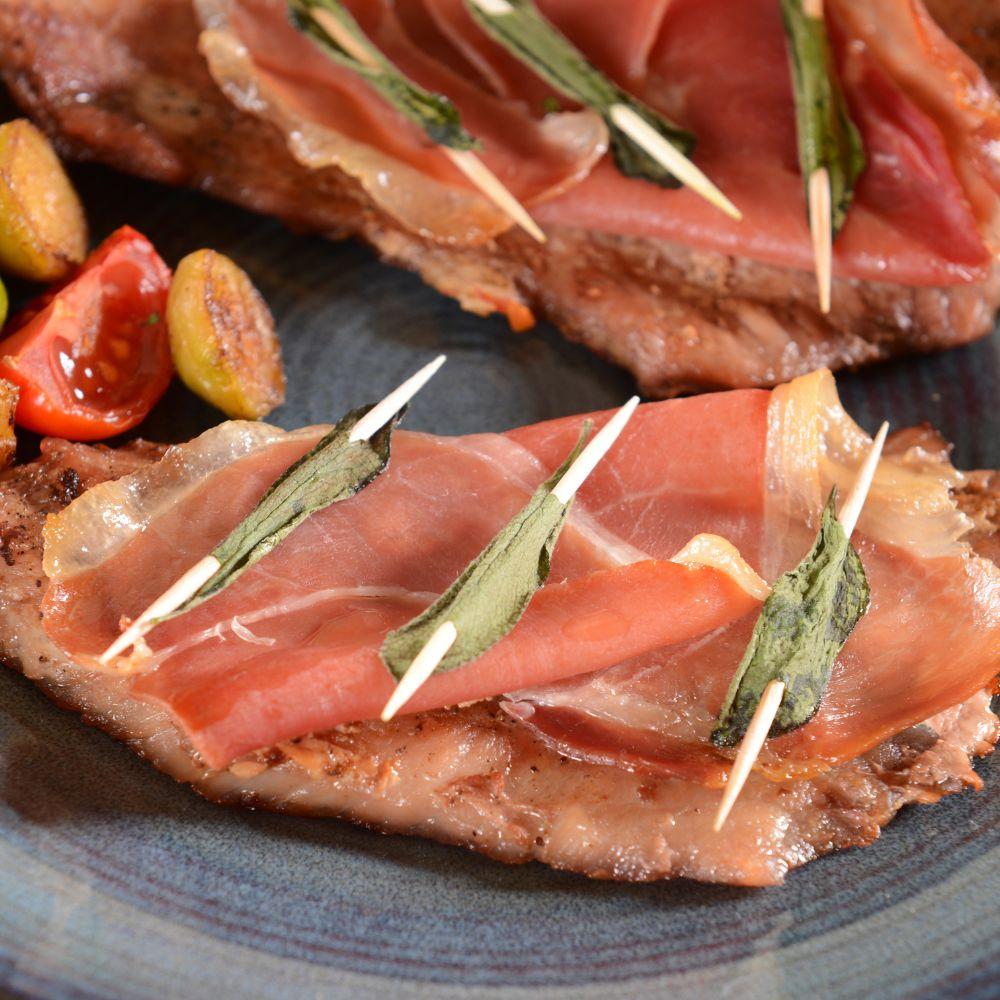
In Roman kitchens, saltimbocca is a quiet star. It does not rely on complex techinques or long preparations, yet it deliveres intensity, elegance, and comfort in every bite. This is the essence of Roman cooking, simplicity done right, whitout shortcuts.
What is Saltimbocca alla Romana? History and Meaning
Saltimbocca alla Romana has deep roots in the culinary tradition of Rome , especially within classic trattoria culture. The name itself means "jumps in the mouth", a playful way to describe how irresistible and flavorful the dih is from the very first bite.
Hisotrically, saltimbocca became popular in Roman eateries thanks to its speed of preparation and its sability to showcase high quality ingredients. Unlike versions you may find eslewhere in Italy or abroad, the Roman recipe is strict. Veal, prosciutto crudo, sage, butter, white wine, nothing more. No flour coatings, no cream sauces, no reinterprtations.
This dish is a symbol of Roman identity, straightforward, bold, and deeply tied to local taste.
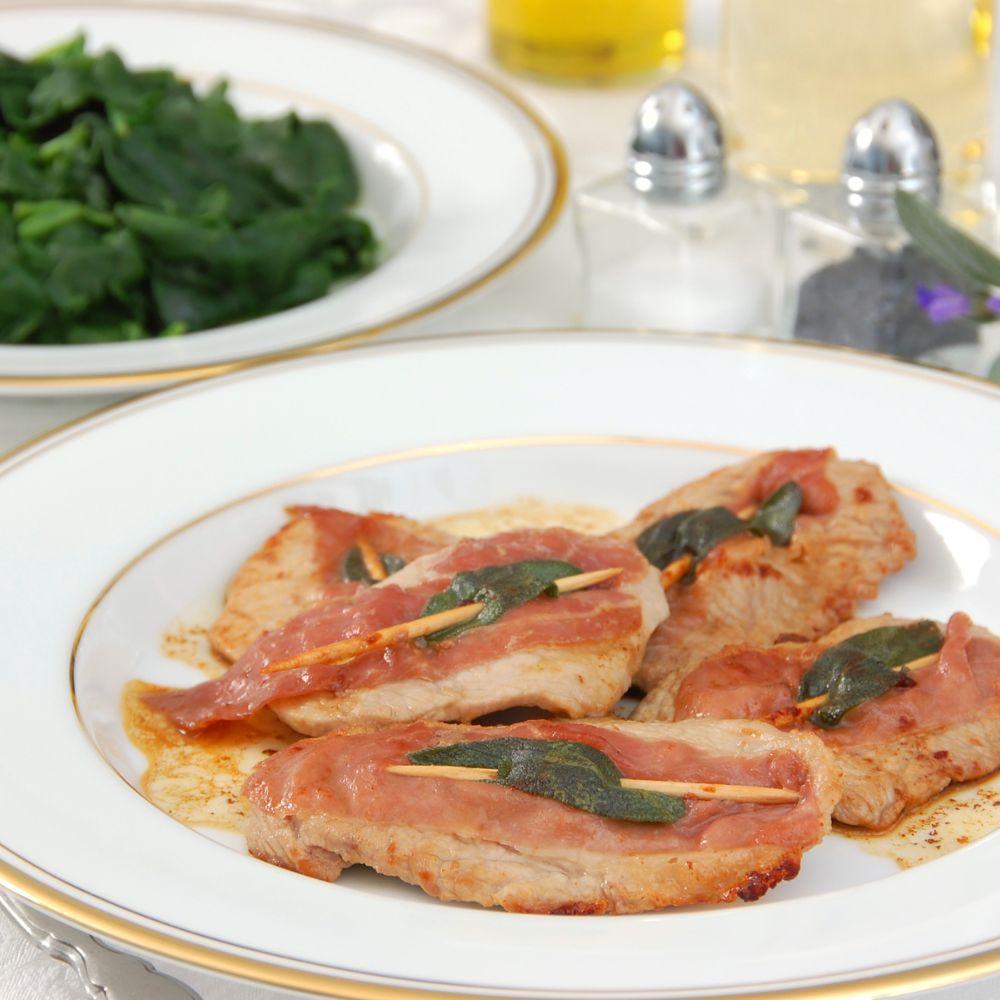
Choosing the Right Ingredients
The success of saltimbocca alla Romana depends entirely on ingredient selection. With so few components, there is no room for compromise
Veal: The Delicate Base of the Dish
Veal cutlets should be very thin, tender, and pale in color. The ideal thickness is just a few millimeters, allowing the meat to cook quickly without losing moisture. Tenderness is essential because saltimbocca is meant to melt in your mouth, not require effort.
In Roman kitchens, the butcher is part of the recipe. Asking for properly sliced veal makes all the difference.
Prosciutto Crudo and Sage
Prosciutto crudo must be thinly sliced and well balanced, not overly salty or aged. Its role is to enhance the veal, not dominate it. Fresh sage leaves bring aromatic depth and a slightly earthy note that defines the dish.
The sage should always be fresh. Dried sage simply does not belong here.
Butter, White Wine, and Seasoning
Butter creates the silky base of the sauce, while white wine adds acidity and aroma. Together, they form a light reduction that coats the veal without masking its flavor. Salt is used sparingly, often only on the veal side, since prosciutto already brings seasoning.
How to Make Authentic Saltimbocca alla Romana
Preparing saltimbocca alla Romana is quick, but precision matters. Every step has a purpose, and timing is crucial.
Start by laying the veal cutlets flat. Place a slice of prosciutto on top, followed by a sage leaf. Secure everything with a toothpick or kitchen string, keeping the layers firm and tidy.
Heat butter gently in a pan over medium heat. Place the veal with prosciutto side facing down, allowing it to crisp slightly without burning. After a brief sauté, turn the cutlets, deglaze with white wine, and let the sauce reduce quickly.
The cooking time is short, just a few minutes per side. The veal should remain tender and juicy, never dry. Plate immediately, spooning the sauce over the meat for a glossy finish.
Common Mistakes to Avoid
Saltimbocca may look simple, but mistakes are common, especially outside Rome.
Overcooking the veal is the most frequent error. Thick slices or high heat turn a delicate dish into something chewy. Replacing veal with other meats or adding garlic, cream, or heavy sauces completely changes the identity of the recipe.
The original recipe needs nothing extra, and Romans take this rule very seriously, with a smile and a raised eyebrown.
What to Serve with Saltimbocca
Saltimbocca alla Romana pairs beautifully with classic Roman side dishes that balance its richness.
Sautéed chicory adds bitterness, puntarelle salad brings crunch and freshness, while roasted potatoes offer comfort and simplicity. For wine, crisp Lazio whites work perfectly, enhaching the dish without overpowering it.
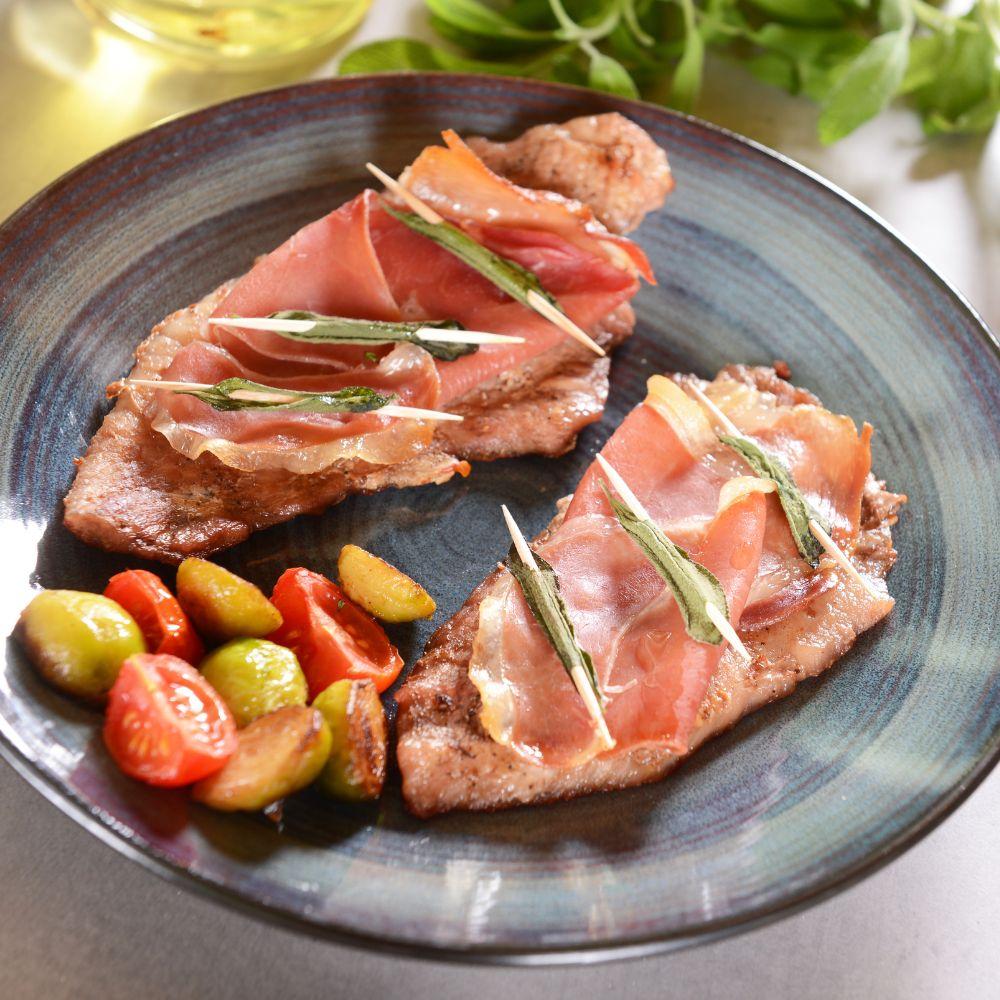
Learn Roman Second Courses with InRome Cooking
Saltimbocca alla Romana is best understood by cooking it where it was born, guided by those who grew up with these flavors.
Want to prepare saltimbocca the Roman way, guided by local chefs? Join an InRome Cooking Class and discover how to cook authentic Roman second courses using traditional techinques and ingredients, right in the heart of Rome!
Back to top