If you really want to taste the true soul of Rome, you have to look beyond the famous pasta dishes and step into the world of cucina povera (poor cuisine). Among the most iconic recipes of this tradition sits Trippa alla romana, a humble yet deeply beloved comfort food that tells the story of the city's working class roots.
Roman Style Tripe: Traditional Trippa alla Romana
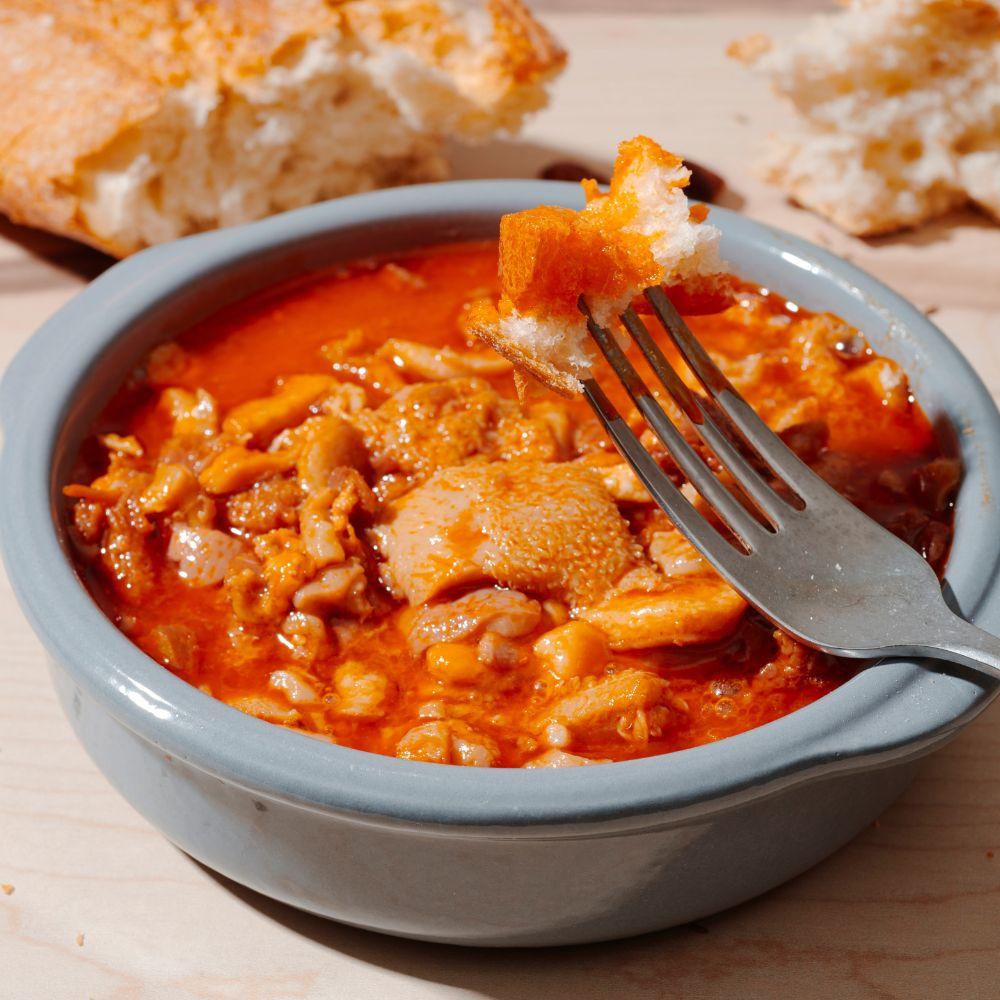
Once considered a simple, everyday meal made from inexpensive cuts, Roman style tripe has evolved into a dish proudly served in traditional trattorias and celebrated by locals and curious travelers alike. It is rich, aromatic, and surprisingly approachable: even for first timers.
What is Trippa? Understanding the Fifth Quarter
Before falling in love with this dish, it helps to understand what tripe actually is and why it matters so much in Roman food culture.
Tripe is the edible lining of a cow's stomach. When properly cleaned and slowly cooked, it becomes tender and pleasantly silky, ready to absorb bold flavors. In Rome, tripe belongs to the famous "fifth quarter", the cuts of the animal that remained after the prime meat was sold.
The Meaning of the Fifth Quarter in Rome
In traditional Roman butchery, the animal was divided into four quarters for sale. What remained, the offal, the organs, the less glamorous parts, became known as the fifth quarter. These cuts were often given to workers and slaughterhouse employees as part of their pay.
Over time, Roman cooks transformed these modest ingredients into some of the city's most characterful dishes. Trippa alla romana is one of the shining examples of this culinary creativity, turning necessity into pure comfort food.
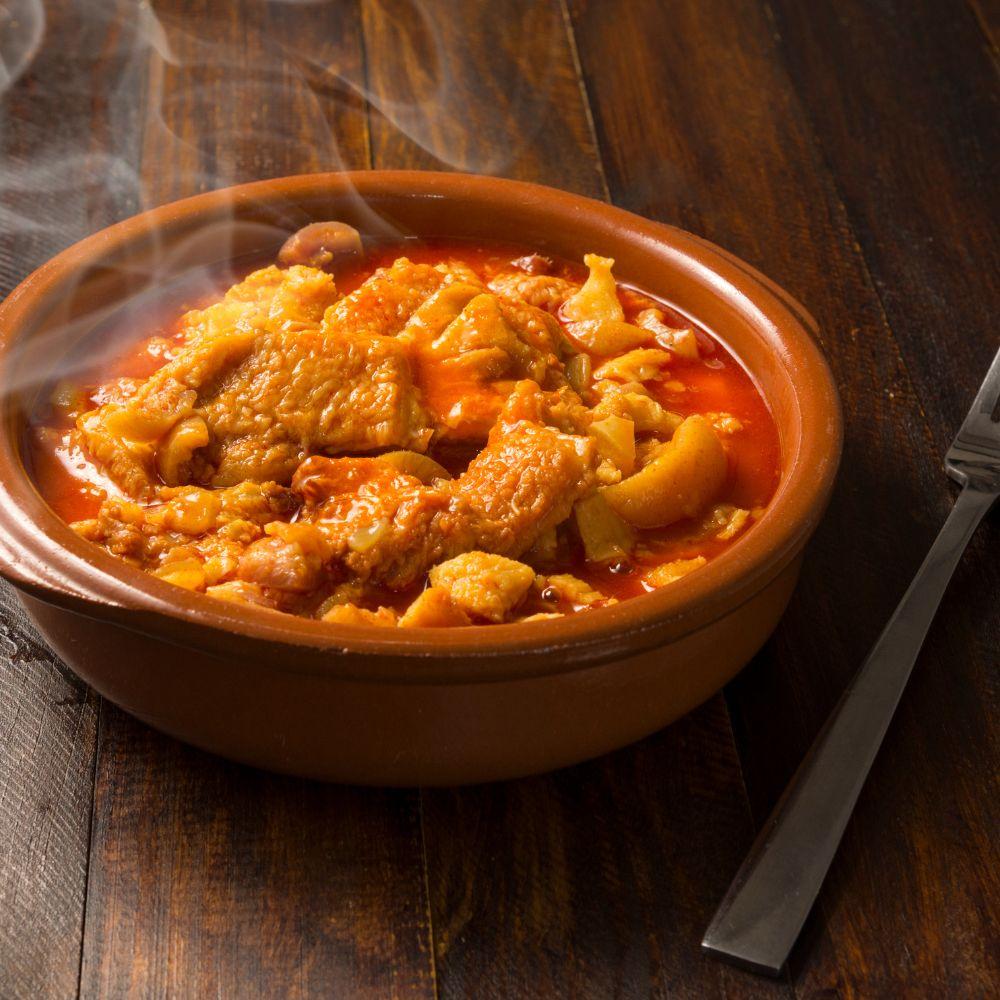
The History of Trippa alla Romana
To understand why this dish matters, you have to picture Rome a century ago, especially in neighborhoods like Testaccio and Trastevere.
Testaccio, once home to the city slaughterhouse, became the beating heart of fifth quarter cuisine. Butchers and workers brought home tripe and other offal cuts, and Roman home cooks developed slow simmered recipes that made the most of every ingredient.
In Trastevere, the dish spread through family kitchens and neighborhood trattorias, becoming a Saturday classic in many homes. Even today, you will find trippa alla romana proudly listed on menus in these historic districts, a living link to Rome's working class past.
What Does Trippa alla Romana Taste Like?
If the word "tribe" makes you hesitate, you are not alone. Many travelers are surprised by how approachable this dish actually is.
When cooked the Roman way, tripe becomes:
- Tender and gently chewy, never rubbery
- Rich from the slow cooked tomato sauce
- Savory thanks generous Pecorino Romano
- Birght and aromatic from fresh mint
The overall flavor is comforting and balanced, closer to hearty Italian stwe than to anything intimidating. The tomato base softens the intensity of the meat, while pecorino adds depth and mint lifts the entire dish with a fresh finish.
Compared to dishes like staltimbocca alla romana, which is delicate and meat forward, trippa alla romana is more rustic, saucy, and slow cooked in character. It is the kind of plate that feels deeply tied to home cooking and traditional Roman tables.
Ingredients for Authentic Trippa alla Romana
The beauty of this recipe lies in a handful of well balanced ingredients. Each one plays a precise role in building the classic Roman flavor.
Tripe
For trippa alla romana, the most commonly used cut is honeycomb tripe. In Italy, it is usually sold already cleaned and partially pre cooked. Proper preparation is essential:
- The tripe must be thoroughly cleaned
- It is typically pre boiled until tender
- Then sliced into thin strips before entering the sauce
This careful preparation is what give the final dish its soft, pleasant texture.
Tomato, Pecorino, and Mint
These three ingredients define the Roman identity of the dish and clearly distinguish it from other italian tripe recipes.
Tomato creates the rich, slow simmered base that coats every piece of tripe. Pecorino Romano brings sharp, salty depth that melts into the sauce. Fresh mint, traditionally Roman mentuccia, adds the unmistakable aromatic lift that makes this version unique.
Remove the mint, and you lose the Roman soul of the dish.
How to Make Trippa alla Romana
While the ingredient list is simple, the magic of Roman style comes from patience and gentle cooking.
The traditional method follows these key steps:
- Start with soffritto of olive oil, onion, carrot, and celery
- Add the sliced tripe and let it absorb the base flavors
- Pour in tomato sauce and simmer slowly over low heat
- Cook gently for an extended time until the tripe is fully tender
- Finish with grated Pecorino Romano and fresh mint
The long, slow simmer is essential. Rushing the process will not allow the tripe to soften properly or the sauce to develop its signature depth.
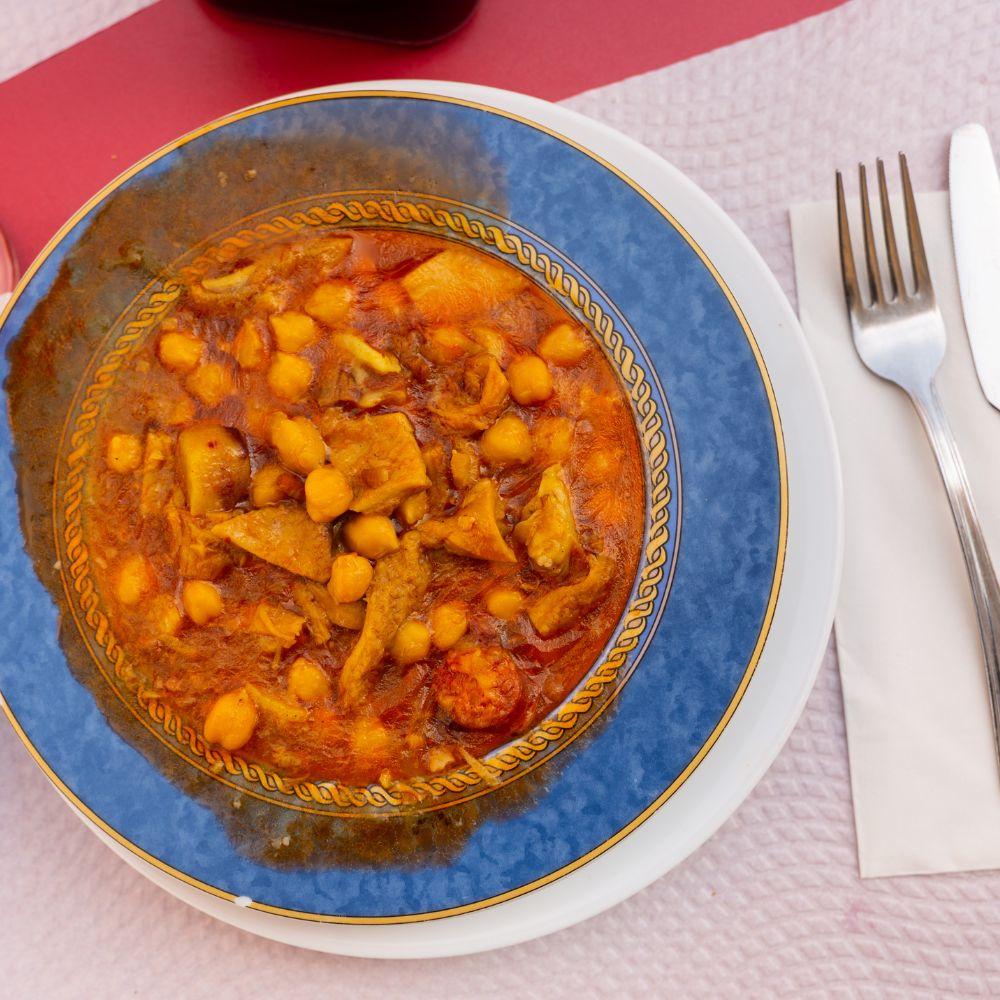
How Trippa alla Romana is Traditonally Served
In Rome, trippa alla romana is served hot and generously sauced, often with plenty of bread nearby to soak up every drop.
You will typically find it:
- As a main course in traditional trattorias
- Featured in historic neighborhoods like Testaccio
- Served during relaxed, hearty Roman lunches
- Paired with rustic country bread
It is comfort food in the truest Roman sense, simple, satisfying, and deeply rooted in local tradition.
Learn Roman Fifth Quarter Dishes with InRrome Cooking
Curious but not quite ready to cook tripe on your own? That is exactly where we come in.
Want to discover Rome’s most authentic dishes beyond pizza and pasta? Join InRomeCooking food experiences and explore traditional recipes with local chefs, learning the real soul of Roman cuisine.
Back to top