Forget pancakes, bacon, or scrambled eggs. In Italy, mornings begin with something far simpler and far more poetic. The Italian breakfast, or colazione, is a daily ritual woven from sweet flavors, strong coffee, and the rhythm of life at the local bar. It’s less about a heavy meal and more about connection, routine, and the pleasure of starting your day “alla italiana”!
Italian Breakfast: What Locals Really Eat
What is a Typical Italian Breakfast?
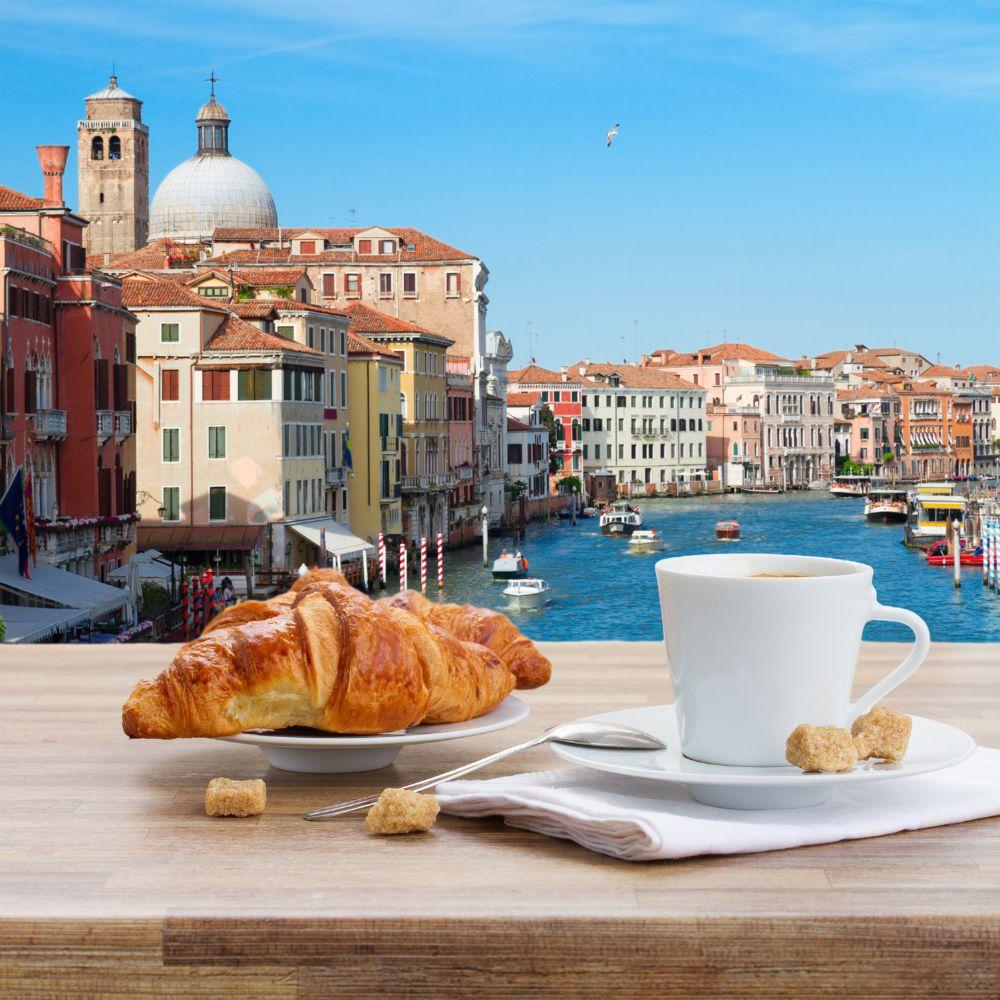
If you picture a grand spread of omelets and toast, think again. A typical Italian breakfast is light, quick, and sweet, just enough to wake the senses before a busy day. Most Italians pair their morning coffee with a small pastry, the most beloved being the cornetto.
At the bar, you’ll see locals order a cappuccino (espresso with steamed milk and foam) or a quick espresso shot (un caffè) to sip standing up. The cornetto may be filled with jam, custard, or chocolate, or simply dusted with sugar. This simple combination, coffee and pastry, is the essence of Italian breakfast: comforting, delicious, and beautifully unhurried.
Is Breakfast a Big Thing in Italy?
Italians don’t eat large breakfasts, but they treat this moment as sacred. Whether at home or at the neighborhood bar, breakfast is about quality over quantity.
At home, it’s common to have a biscuit, toast with jam, or yogurt with a small coffee. On workdays, many Italians head to the nearest bar (a café) for a few minutes of caffeine and conversation before the day begins. Standing shoulder to shoulder at the counter, exchanging greetings with the barista: that’s the real Italian breakfast ritual.
While Americans might linger over a large brunch, Italians favor something brief yet satisfying. It’s not the size of breakfast that matters, but the pleasure of that first coffee and the community it brings.

What Time Do Italians Typically Eat Breakfast?
Most Italians have breakfast between 7:00 am and 9:00 a.m., before work or school. The city wakes up to the sound of espresso machines hissing and spoons clinking against porcelain cups.
A charming twist of Italian morning culture is the second coffee break, around 10 or 11 a.m. It’s the perfect excuse for another espresso and a few friendly chats with colleagues or neighbors. Think of it as the Italian version of a “coffee refill”, but with a social soul rather than a paper cup.
The bar is the heart of this ritual. Everyone has their favorite one, where the barista knows their order by heart. It’s as much about belonging as it is about caffeine.
Popular Italian Breakfast Pastries
Breakfast pastries are a thing of beauty in Italy, delicate, fragrant, and often baked fresh each morning. They’re made to complement coffee, never to overwhelm it.
-
Cornetto - The king of Italian breakfast. Softer and sweeter than a croissant, often filled with jam, cream (crema), or chocolate.
-
Maritozzo - A soft Roman bun split and filled with whipped cream, pure indulgence and a local favorite
-
Sfogliatella- A Neapolitan masterpiece of crisp, layered pastry and rich ricotta filling.
-
Cannolo alla crema or ciambella - Regional staples that vary by region and season
These pastries strike the perfect balance of sweetness and lightness, offering just enough energy to start the day without feeling heavy. Pair one with a frothy cappuccino, and you’ve unlocked the secret to Italian happiness before noon.
Regional Variations in Italian Breakfast
Though united by espresso and pastry, Italian breakfast differs from region to region, each with its own flavor identity.
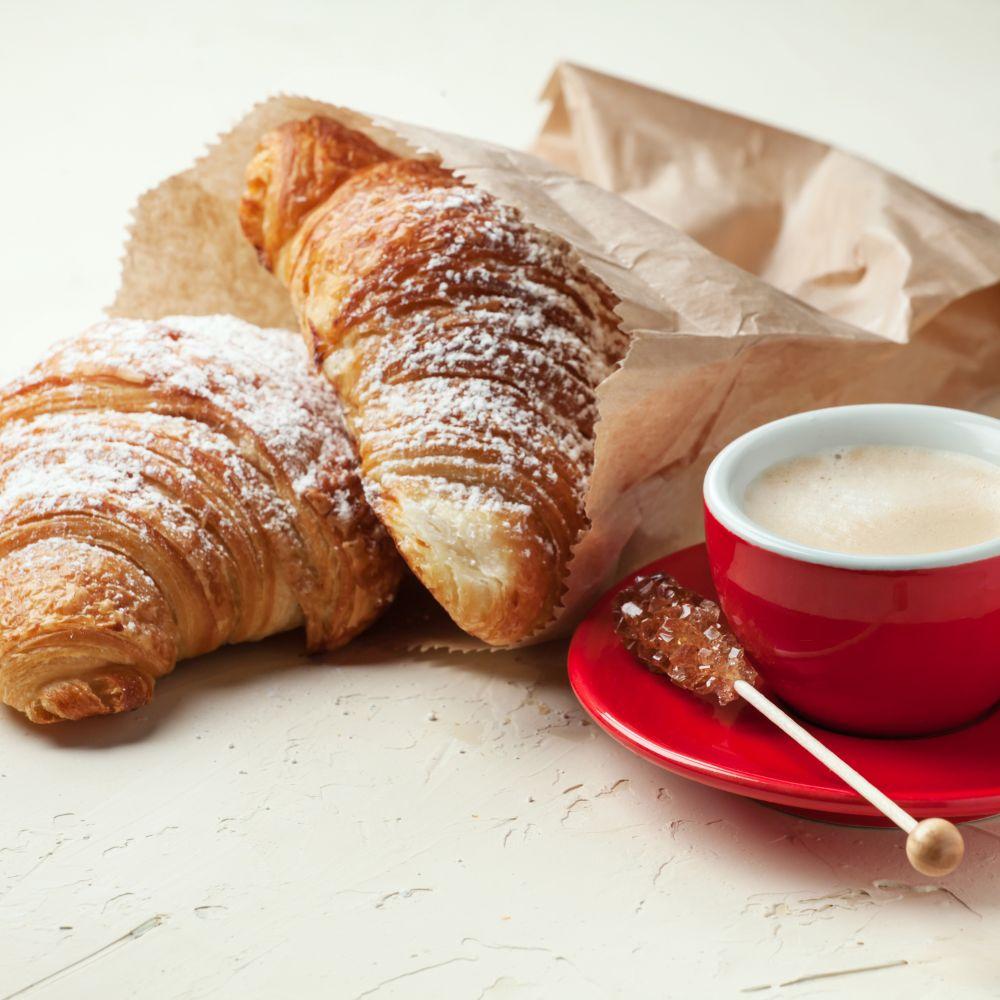
In the South, mornings are bold and aromatic. Neapolitans relish their sfogliatella, while in Puglia, locals love pasticciotto, a warm custard-filled delight. Head north, and you’ll find simpler, lighter pastries such as brioches filled with apricot jam or chocolate. In Rome, don’t miss the maritozzo, best enjoyed fresh from the bakery with a creamy heart and a side of espresso.
Each variation tells a story of local ingredients, family traditions, and a deep love for starting the day sweetly.
Tips for Eating Breakfast Like an Italian
Breakfast in Italy is as much about how you eat as what you eat. There’s a rhythm, a small set of unspoken rules that make the experience feel local and effortless. Learn them, and you’ll blend right in from your very first sip.
Standing at the Bar vs Sitting at a Table
When in Italy, you’ll notice two kinds of customers: those standing at the bar counter, and those sitting at tables.
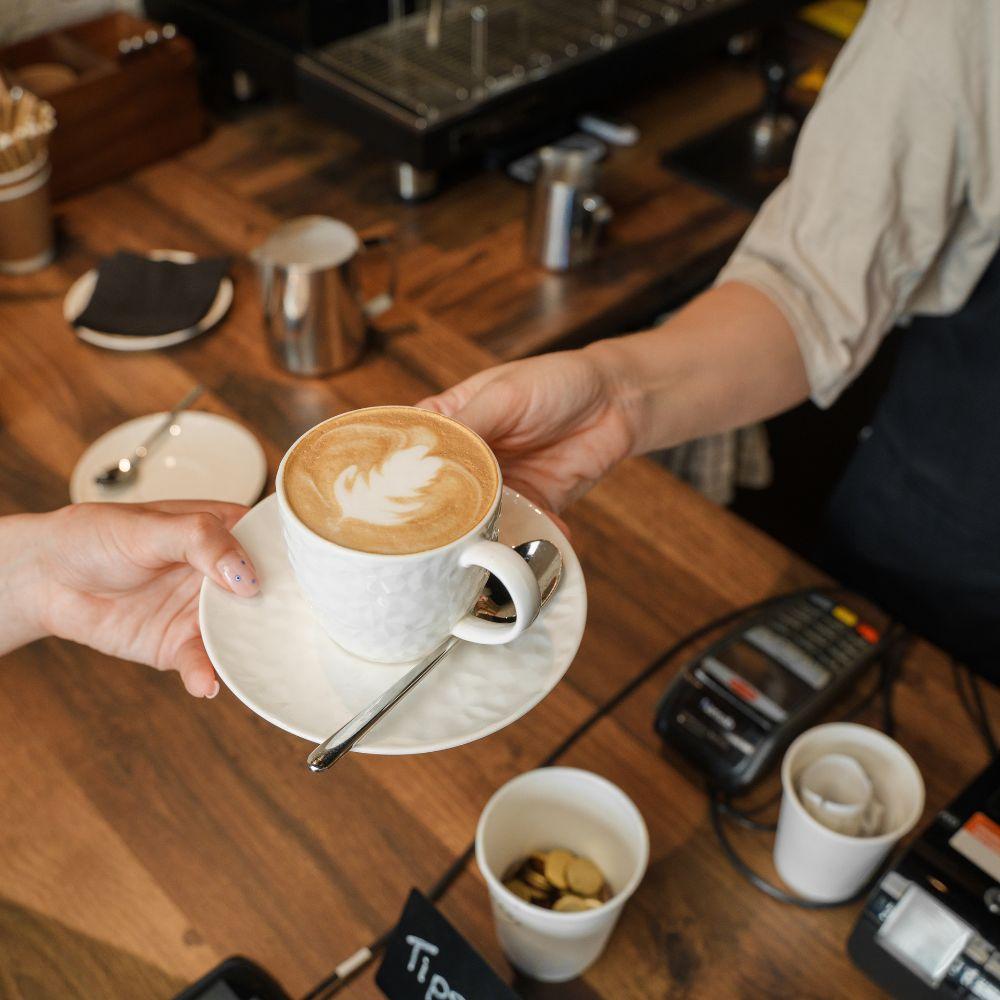
Standing (al banco) is how most Italians do it: it’s faster, and more authentic. You pay at the register (cassa), grab your receipt (scontrino), then hand it to the barista to prepare your coffee.
If you sit at the table, the price usually increases, especially in tourist areas. The upside? A little more time to watch the world go by. Choose what suits your mood: either way, you’ll sip like a local.
Ordering Coffee the Italian Way
Ordering coffee in Italy can feel like a language of its own - but once you know the basics, it’s easy and fun.
-
Espresso (caffè) - The default; say “un caffè, per favore”
-
Cappuccino - Espresso with milk and foam, only in the morning (Italians find it too heavy after meals, and they will judge you)
-
Macchiato - Espresso “stained” with a splash of milk
-
Caffè latte - Espresso with more hot milk (not just “latte”, which means “milk”)
-
Caffè lungo/ristretto - A longer or shorter shot of espresso
Follow these small rules and you’ll never feel like a tourist at the bar. And yes, go ahead - enjoy that cappuccino before 11 a.m without guilt.
Breakfast Recipes at Home
Can’t make it to Rome yet? You can bring a little colazione italiana into your own kitchen.
Try baking homemade cornetti, or pair a cup of espresso with biscotti or simple butter cookies dipped right into your coffee. Italians also love fette biscottate (light toasted rusks) spread with jam. Keep it minimal : a sweet bite and a good coffee is all you need.
Want to go deeper? Our InRome Cooking Classes teach you how to prepare authentic Italian pastries step-by-step, from mixing dough to mastering that golden crust.
Experience Italian Breakfast with InRome Cooking
There’s no better way to understand Italy than through its food - and breakfast is where that journey begins.
Join our Market Tour of Rome, and try the Italian breakfast before the tour starts! Taste freshly baked maritozzi, learn about regional pastries, and discover the rhythm of a real Roman morning. Or join our Gelato and Biscotti cooking class, to learn how to make real Italian biscuits at home!
Book your class or tour today and start your day the Italian way — with coffee, conversation, and just the right touch of sweetness!
FAQ: Italian Breakfast Basics
Do Italians eat eggs for breakfast?
Not usually. Eggs are reserved for lunch or dinner — breakfast stays sweet and simple.
Not usually. Eggs are reserved for lunch or dinner — breakfast stays sweet and simple.
Is it rude to order cappuccino after 11 a.m.?
Not rude, but it will mark you as a tourist! Italians prefer espresso later in the day.
Not rude, but it will mark you as a tourist! Italians prefer espresso later in the day.
How do you pay at an Italian bar?
Pay first at the cassa, get your receipt, then order at the counter.
Pay first at the cassa, get your receipt, then order at the counter.
What’s the difference between a cornetto and a croissant?
Cornetti are softer, sweeter, and often filled — perfect with cappuccino.
Cornetti are softer, sweeter, and often filled — perfect with cappuccino.
Back to top