Cooking like an Italian is always about using the right ingredients, respecting tradition, and mastering a few essential techniques that generations of Italian home cooks have passed down without ever writing them in a book. There is no secret culinary academy behind the best bowls of pasta you have ever tasted, just good olive oil, the right pan, and knowing when to leave things alone.
How to Cook Like an Italian: Tools and Ingredients You Need
Published on
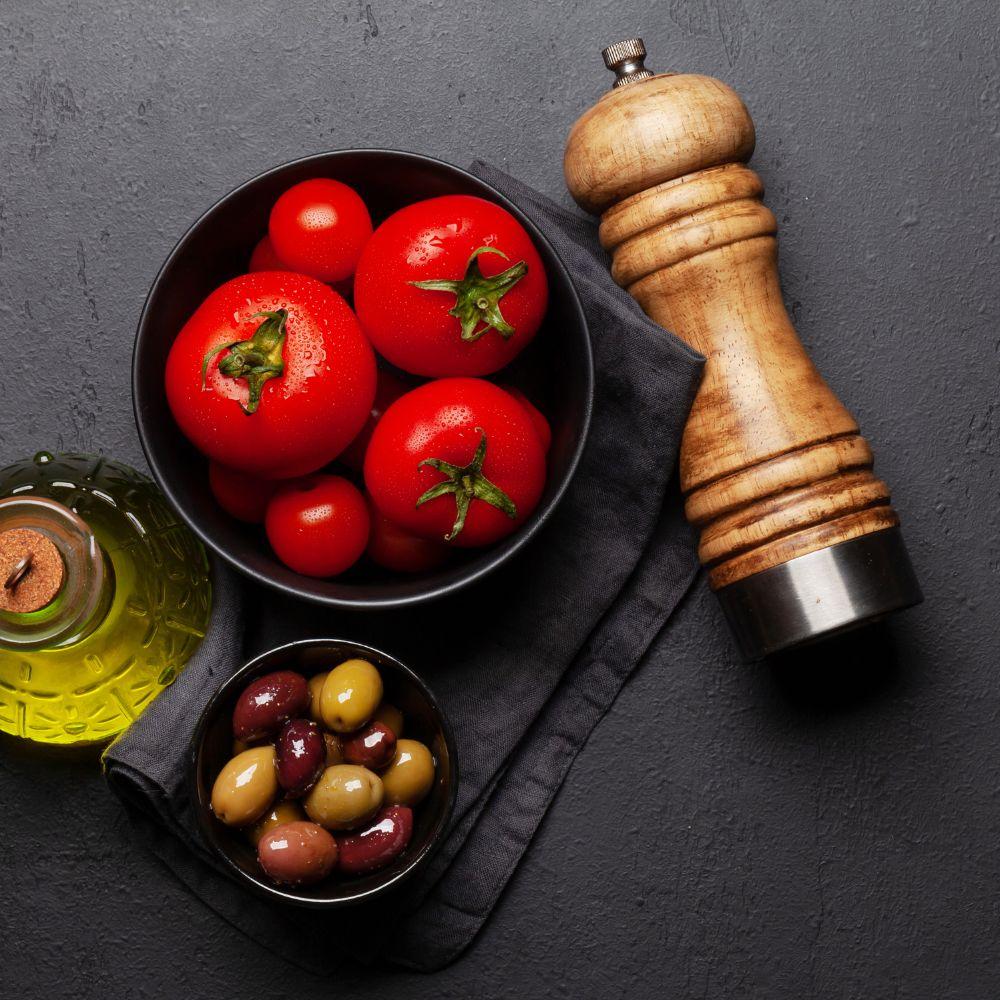
Authentic Italian cuisine strips everything back to handful of quality ingredients and trusts them completely. That confidence in simplicity, that belief in a ripe tomato or a block of aged Pecorino, is what makes Italian food so deeply satisfying and so difficult to replicate when you are working with the wrong pantry. This guide is for anyone who has ever eaten something extraordinary in Italy and wondered how to bring that experience home.
Italian Cooking Basics: The Philosophy Behind the Cuisine
Before we talk about pots and olive oil, it is worth spending a moment on something no kitchen tool can replace: the mindset. Italian cooking is not just a collection of recipes. It is a relationship with food that is deeply cultural, almost instinctive for those who grew up with it.
Few ingredients, used exceptionally well. The average Italian weeknight dinner has four or five components, no elaborate spice blends, no cream where it does not belong. Each ingredient earns its place, and the result depends on the quality of every single one.
Seasonality is non-negotiable. Italian cooking follows what is ripe, what is in season, what the local land produces. A Caprese in August is extraordinary. In Febraury, it is just ingredient on a plate. That difference is not a flaw in the dish. It is the whole point.
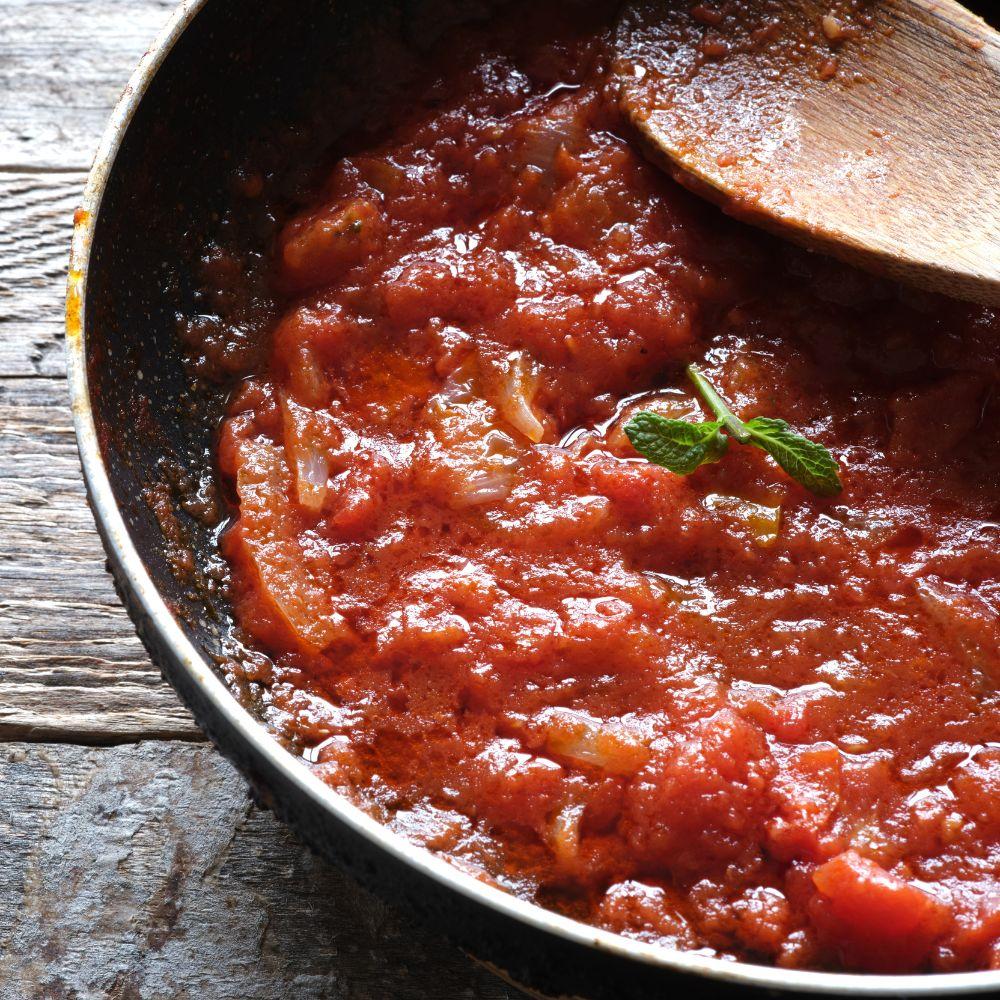
Simplicity is intentional, never lazy. A bowl of Pasta al pomodoro made with four ingredients and twenty minutes of genuine attention can be one of the most satisfying things you have ever eaten. Italian food culture has never been about impressing anyone. It has always been about respect for the ingredient, the season, and the person sitting across the table.
Essential Tools for Cooking Italian Food at Home
You do not need to transform your kitchen into a professional hosteria. Most Italian home kitchens are remarkably uncluttered. What they do have, without exception, are a few essential tools refined over decades because they actually work. Think of this as your Italian cooking starter kit.
The Pasta Pot: The Foundation of Italian Cooking
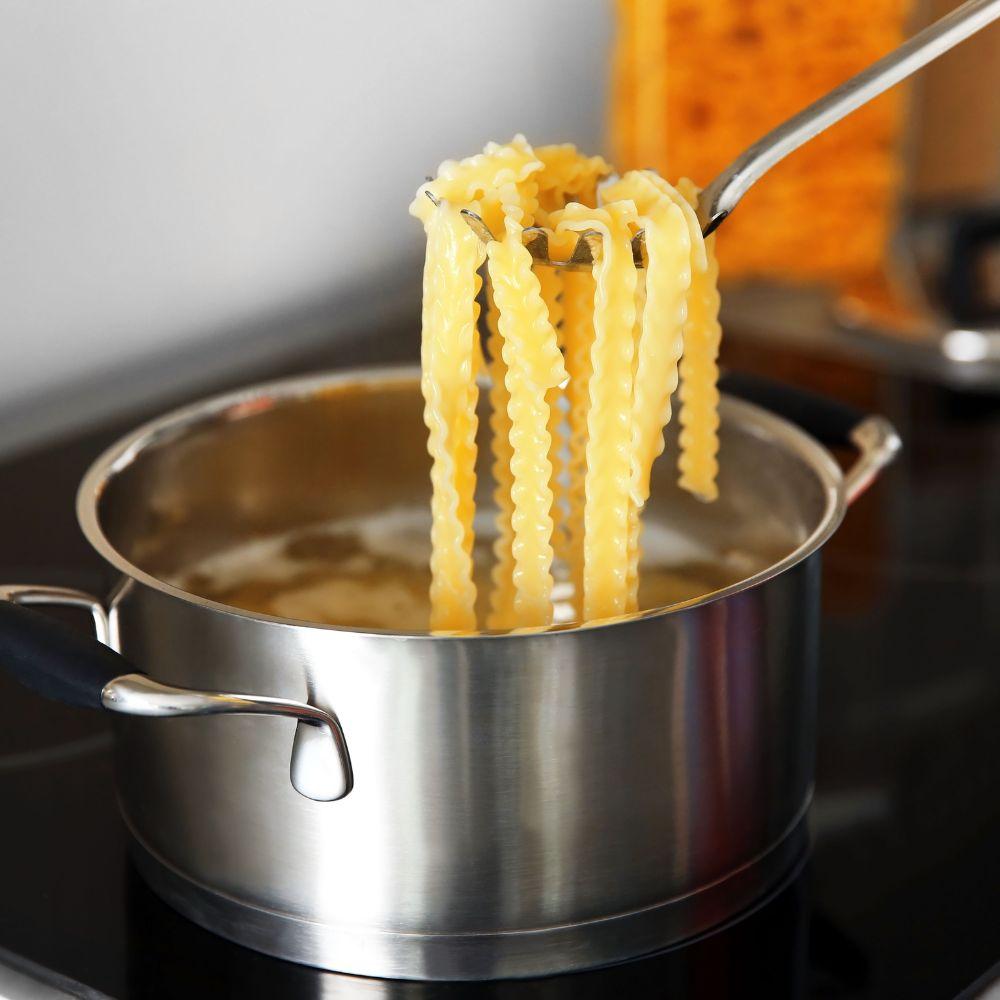
A large, deep pasta pot is the single most important piece of equipment in the Italian Kitchen. Pasta needs room to move freely as it cooks, otherwise it becomes sticky and uneven.
The rule is approzimately one liter of water per 100 grams of pasta, brought to a full rolling boil and salted geenrously enough to actually tast seasoned. The salt affects the texture of the pasta as it hydrates, giving it a firmer, more cohesive bite. Get these two things right and you have already separated yourself from the majority of pasta cooked outside of Italy.
A Good Pan for Sauces and Risotto
Italian sauces are made in wide, low-sided pans that allow for controlled evaporation and proper emulsification. If your pasta sauces have always tasted slightly flat compared to what you have eaten in Rome, the pan is very likely part of the explanation.
A wide stainless steel or carbon steel skillet handles everything from aglio e olio to a slow-cooked amatriciana. Most importantly, it is where Italian cookes perform the defining technique of the cuisine: finishing pasta directly in the sauce. Slightly undercooked pasta is transferred into the pan, a generous pour of starchy pasta water is added, and everything is tossed together over heat until the two become completely unfied. This is what creates the silky, cohesive result that makes Roman pasta so distinctive and so hard to reproduce without knowing this step.
Wooden Boards, Rolling Pins, and Pasta Tools
Fresh pasta calls for a large wooden board, a long rolling pin, and a sharp cutter. Wood grips the dough slightly as you roll, helping you stretch pasta thin and evenly, and it absorbs just enough flour to prevent sticking without toughening the dough.
Ragional traditions live in these tools. In Bologna, pasta is rolled with a long mattarello until almost translucently thin. In Naples, the same dough is shaped entirely by hand. Understanding that there is no single correct way to make Italian pasta is itself a piece of Italian culinary wisdom worth keeping.
Sharp Knives and Simple Kitchen Equipment
Italian cooking requires very little equipment, but it does require a sharp, well-maintained chef's knife. A sharp knife changes everything: slicing guanciale thinly enough that it melts into a sauce, mincing garlic without bruising it, cutting vegetables with clean edges that cook evenly.
Beyond that, a wooden spoon, a fine-mesh strainer, a box grater, and a pasta fork cover virtually everything you will need. The discipline of working with simple tools is, in its own way, a very italian approach: confident, practical, and completely free of unnecessary complication.
Essential Italian Cuisine Ingredients
The Italian pantry is both simpler and more specific than most people expect. It is stocked with a small number of exceptional ingredients, chosen with real care and used with intention. Getting these right is the most important investment you can make in cooking Italian food authentically at home.
Extra Virgin Olive Oil
Extra virgin olive oil it's a foundational flavor, a culture, and in many regions a way of life passed between generations. It appears at virtually every stage of the Italian meal, from the bread at the beginning to the finishing drizzle at the table.
True extra virgin olive oil has an acidity level below 0.8%, achieved by cold-pressing olives with no heat or chemicals. The result carries the actual flavor of the olive, which varies dramatically by region: Sicilian oils tend toward the robust and peppery, Ligurian oils lean delicate and fruity, Tuscan oils arrive grassy and slightly bitter. In Italian cooking, choosing the right olive oil is a deliberate as choosing the right pasta shape.
Pasta: Choosing the Right Shape
In Italy, pairing the wrong pasta shape with a sauce is treated as a near-philosophical error. The shape is functional, designed to hold, carry and deliver a specific sauce in the most satisfying way possible.
Long, thin pasta like spaghetti works with smooth, light sauces, which is why spaghetti alla carbonara is the perfect choice, and why cacio e pepe use a square-cut pasta that grips the creamy sauce (tonnarelli). Rigatoni, with its ridges and hollow center, is the traditional choice for amatriciana: the sauce clings to the ridges and pools inside, making every bite richer. For best results at home, look for pasta labeled trafilata al bronzo, extruded through bronze dies for a rougher surface that holds sauce far more effectively.
Pecorino Romano, Parmigiano, and Italian Cheeses
There is a moment in most people's Italian food education when they realize that pre-grated Parmesan from a canister is to genuine Parmigiano-Reggiano what a poscard is to the real thing.
Parmigiano-Reggiano, aged a minimum of 12 months, is complex, crystalline, and deeply savory. Pecorino Romano, made from sheep's milk, is the soul of Roman cooking: sharper, saltier, and the correct cheese for cacio e pepe, carbonara and amatriciana. Both must be purchased in blocks and grated fresh. The flavor difference compared to pre-grated is significant enough that Italian cooks treat it as non-negotiable.
Tomatoes, Herbs and Aromatics
San Marzano tomatoes, grown in the volcanic soil near Naples, are the recognized standard for italian sauce-making. Their thick flesh, low seed count, and balanced sweetness make them ideal for long cooking, and when fresh tomatoes are out of season, high-quality canned San Marzanos are the correct choice, not a compromise.
Garlic is used with restraint, almost never raw in a finished dish. A single clove, sliced thin and coaxed gently in olive oil until golden, can perfume an entire pan. Fresh basil goes in at the very end to preserve its brightness.
Guanciale, Prosciutto, and Italian Cured Meats
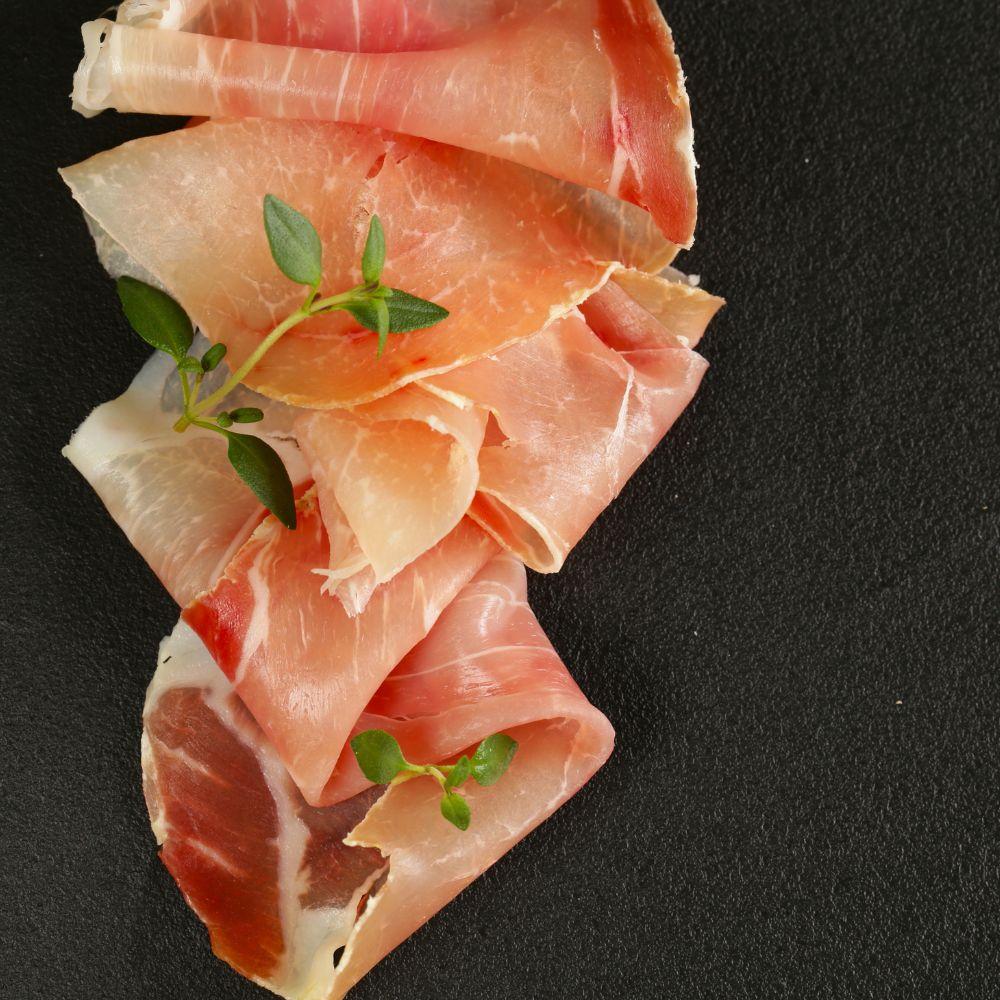
Guanciale, cured pork cheek, is the cornerstone of the three great Roman pasta dishes: carbonara, amatriciana, and gricia. Its flavor is deeper than bacon or pancetta, with a fat content that renders into the pan with a richness no substitute can replicate. Prosciutto di Parma, paper-thin and silky, is best eaten raw: draped over ripe melon or fresh mozzarella, where its full character speaks without interference from heat. Understanding which cured meat belongs in which dish is exactly the kind of detail that feels obvious once someone explains it, and genuinely life-changing to know.
Common Mistakes People Make When Cooking Italian Food
Italian food is forgiving in many ways but uncompromising in others. A few habits inherited from adaptations made far from Italy's kitchens quietly undermine otherwise well-intentioned dishes.
Overloading dishes with ingredients is the most common error: adding more dilutes flavor in Italian cooking, it does not build it. Using cream in carbonara is the one that upsets Roman most, because the silky texture comes entirely from emulsified eggs and pasta water. Overcooking pasta removes the al dente resistence that allows it to finish correctly in the sauce. Ignoring pasta water wastes the natural emulsifier that holds Italian sauces together. And using low-quality olive oil affects the whole dish, because the oil is not a neutral carrier: its flavor becomes the flavor of everything.
Beginner-Friendly Italian Recipes to Start With
The best dishes to start with are not the simples, but the most instructive: recipes that teach you how Italian flavors actually work and why technique matters as much as what goes in the pan.
Cacio e pepe teaches emulsification and restraint with only three ingredient. Bruschetta demostrates the power of ingredient quality in its most honest form. Pasta al pomodoro teaches how to build a sauce with patience and nothing else. Carbonara covers temperature control, the role of guanciale, and why pasta water is foundational. Tiramisù introduces Italian dessert philosophy: depth, balance, and simplicity over richness. Each of those teaches something that transfers directly to everything else you will make.
Learn to Cook Like an Italian with InRome Cooking
Reading about Italian cooking takes you a long way. But there is something that only happens when you are standing at a wooden table in Rome, flour on your hands, with a local chef explaining why this motion, this timing, and this specific ingredient have been done this way for generations. That is when knowledge stops being information and becomes instinct.
Want to move beyond recipes and truly cooke like an Italian? Join an InRome Cooking class and learn authentic techniques directly from local chefs. From fresh pasta to classic Roman sauces, our hands-on cooking lessons are designed for curious travelers who want to bring real Italian cuisine home. Whether you join us for a cooking class in Rome or an Italian food tour through the city's most authentic neighborhoods, every experience is built around one idea: the best way to understand a culture is to cook its food.
Back to top