Cacio e Pepe looks simple. Almost too simple. Three ingredients, no sauce pan, no garlic, no cream. And yet, anyone who has tried to make it at home knows the truth: this Roman classic can turn against you in seconds.
Cacio e Pepe: How to Get It Right
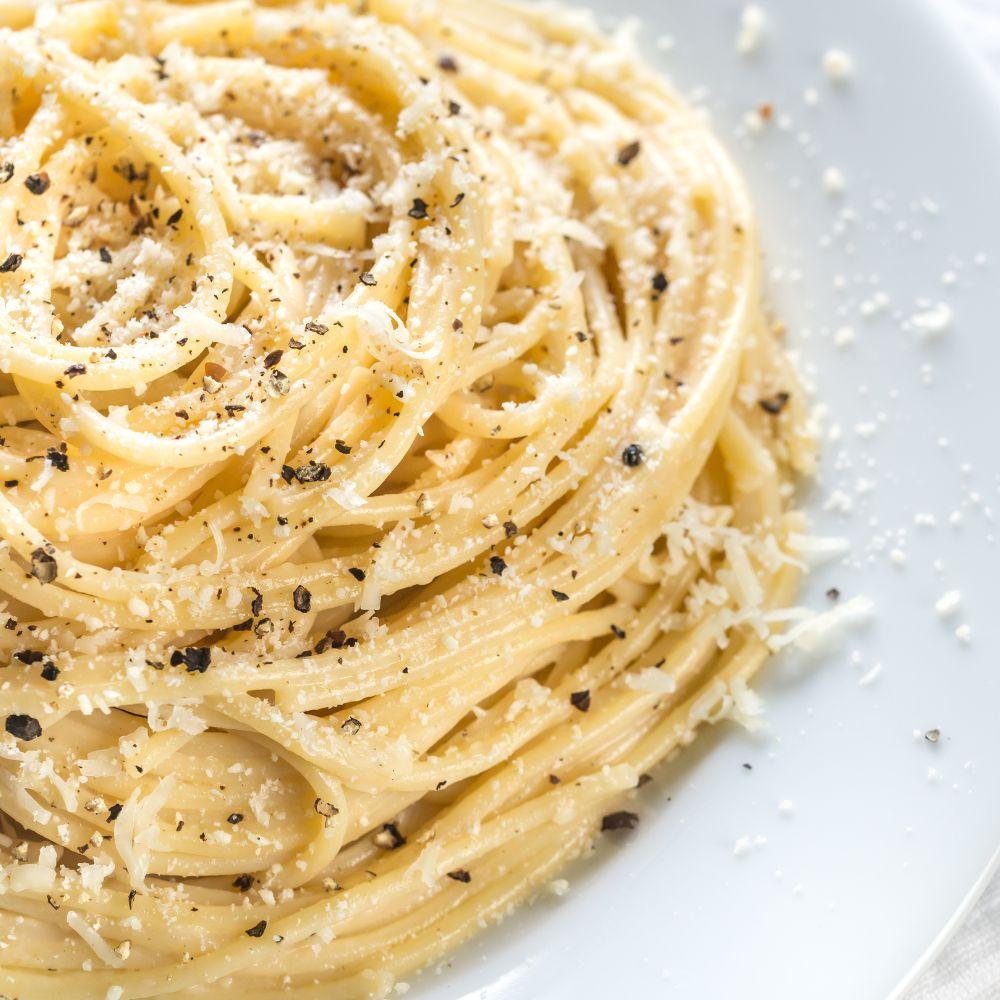
In Rome, Cacio e Pepe is more than a pasta dish. It’s a benchmark. A quiet test of technique. Mastering it means understanding heat, timing, and balance, and when you get it right, the reward is one of the creamiest, most comforting pastas you’ll ever taste.
Understanding Cacio e Pepe: the essentials
Cacio e Pepe is one of the four great Roman pastas, alongside Carbonara, Amatriciana, and Gricia. Its roots go back to shepherd cuisine, where aged cheese and dried pasta were practical, long-lasting staples.
What makes it iconic is its radical minimalism:
-
Pecorino Romano
-
Black pepper
-
Pasta
-
(and pasta water, the unsung hero)
There’s nowhere to hide. Every ingredient matters, every gesture counts. When Romans say “è tutta tecnica” (it’s all technique), this is exactly what they mean.
Choosing the right ingredients
Great Cacio e Pepe starts long before the stove. Ingredient quality — and how you treat those ingredients — makes all the difference.
Pecorino Romano
Pecorino Romano is not just “Italian cheese.” It’s sharp, salty, and unapologetically bold.
Choose a well-aged Pecorino Romano DOP, firm and dry, never soft or pre-grated. Grate it very finely, almost like snow, so it melts smoothly instead of clumping. Freshly grated cheese is non-negotiable here.
Pasta
Traditionally, Romans use tonnarelli, a thick, square-cut egg pasta, that holds the sauce beautifully. If you can’t find it, spaghetti or rigatoni are excellent alternatives.
The key is surface and structure: the pasta must grip the creamy emulsion, not let it slide away.
Black Pepper
Pepper here it's the second main character.
Use whole black peppercorns, freshly ground or crushed. Toasting them gently releases warm, spicy aromas that balance the saltiness of the cheese and the starchiness of the pasta water.
Step-by-Step Technique for Perfect Cacio e Pepe
This is where most home cooks go wrong, and where small adjustments change everything.
- Toast the black pepper: add crushed peppercorns to a dry pan over low heat. Toast gently until fragrant, not burnt. This step builds depth before any cheese touches the pan.
- Cook the pasta (and save the water): Cook your pasta al dente in lightly salted water. Before draining, reserve plenty of starchy pasta water, you’ll need it
- Create the Pecorino cream (off the heat): Mix finely grated Pecorino with warm (not boiling) pasta water to create a smooth paste. Heat is the enemy here: too hot, and the cheese will curdle.
- Combine and emuslify: Add pasta to the pan with pepper, remove from heat, then slowly incorporate the Pecorino mixture. Toss and stir, adding pasta water little by little until the sauce becomes glossy and creamy.
No rushing. No boiling. Just controlled movement.
Tips and Tricks from Roman Chefs
Roman cooks don’t measure, they feel. Still, a few insider principles help every time.
-
Cheese-to-water balance: add liquid gradually; you can always add more, never less.
-
Pepper intensity: bold, but not overpowering. It should warm the palate, not burn it.
-
Serve immediately: Cacio e Pepe waits for no one, the texture is best straight off the pan.
-
No shortcuts: cream and butter don’t “help”, they change the dish entirely.
Common Mistakes to Avoid
Cacio e Pepe has a reputation for being unforgiving, and most problems come from a few recurring missteps. One of the most common is using pre-grated cheese, which often contains anti-caking agents that prevent it from melting smoothly. Another frequent issue is adding the Pecorino while the pan is still too hot, causing the cheese to seize and turn grainy instead of creamy.
Not reserving enough pasta water can also sabotage the sauce, since that starchy liquid is essential for proper emulsification. Overcooking the pasta, on the other hand, robs the dish of the firm texture that helps the sauce cling to every strand. When something goes wrong, resist the urge to “fix” it with cream or butter. Lowering the heat, adding warm pasta water, and gently stirring are usually all it takes to bring the sauce back into balance.
Wine and Side Pairings
Because Cacio e Pepe is rich and savory, it pairs best with wines that offer freshness and acidity. A crisp white wine from Lazio, such as Frascati or Trebbiano, complements the dish beautifully by cutting through the creamy texture and cleansing the palate. For those who prefer red wine, a light-bodied option with soft tannins can work just as well, provided it doesn’t overwhelm the delicate balance of cheese and pepper.
When it comes to side dishes, the Roman approach is always about restraint. Simple vegetable preparations, like sautéed chicory, seasonal artichokes, or a fresh green salad dressed with lemon and olive oil, round out the meal without stealing the spotlight from the pasta. The goal is harmony, not excess.
Other Roman pastas to know (and love)
Cacio e Pepe is part of a small but powerful group of Roman pasta dishes that define the city’s culinary identity. Over the past months, we’ve shared stories and techniques behind other Roman classics, each one built on a different balance of fat, cheese, meat, and heat, yet all rooted in the same philosophy of simplicity and precision.
From the creamy intensity of Carbonara to the bold, tomato-driven flavors of Amatriciana, the elegant minimalism of Gricia, and the indulgent richness of Pasta alla Zozzona, these dishes together offer a deeper understanding of Roman cuisine, and a delicious reason to keep exploring.
Learn to Make Cacio e Pepe in Rome with InRomeCooking
Reading about Cacio e Pepe is the first step, but cooking it in Rome is where the technique truly clicks. In an InRomeCooking class, you’ll learn how this iconic dish is prepared the Roman way, guided through every stage, from choosing the right Pecorino to mastering the moment when pasta water and cheese become a silky, cohesive sauce.
Our Roman Pastas Cooking Class offers a hands-on experience led by expert instructors who share practical tips, local insights, and the kind of small details that rarely make it into written recipes. It’s an opportunity to build real confidence at the stove and take home a skill that connects you directly to Rome’s culinary tradition.
Back to top