There is a particular kind of longing that tends to appear a few days after returning from Rome. You unpack your suitcase, scroll through photographs of sunlit piazzas and cobblestone streets, and suddenly start thinking about the cacio e pepe you had in Trastevere, the espresso you drank standing at the counter, or that wedge of Pecorino you tasted at a local market.
The best food souvenirs to bring home from Rome
Published on
Rome stays with you in many ways, but its flavors are especially difficult to forget.
That is why food souvenirs from Rome make such wonderful things to bring home. A bottle of extra virgin olive oil, a package of artisan pasta, or a piece of Pecorino Romano can trasport you back to an Italian table the moment you open them.
If you are wondering what to buy in Rome, this guide covers some of the best edible souvenirs, what travels well, where to find authentic products, and what international travelers should know before packing their suitcases.
What makes a great food souvenir from Rome?
The best food souvenirs have a story attached to them. Perhaps you first tasted a cheese inside a tiny alimentari, discovered a particular olive oil during a cooking class, or found a favorite wine over dinner after a long day exploring the city.
Food has an extraordinary ability to preserve those memories. Weeks later, recreating a Roman recipe with an ingredient brought home from Italy can make your trip feel surprisingly close again.
When choosing an Italian food souvenir, look for products that are:
- Authentic to Rome or Italy;
- Easy to transport;
- Suitable for storing;
- Made with high-quality ingredients;
- Connected to local culinary traditions.
Rome is particularly rewarding for food shopping because markets, specialty stores and enotecas bring together products from Lazio and specialties from across Italy.
The Best Savory food souvenirs to buy in Rome
Roman cooking is built around excellent ingredients and relatively simple recipes, which makes shopping for savory souvenirs especially satisfying.
Many of the products you find in local markets and food shops are the same ingredients that define some of Rome's most famous dishes.
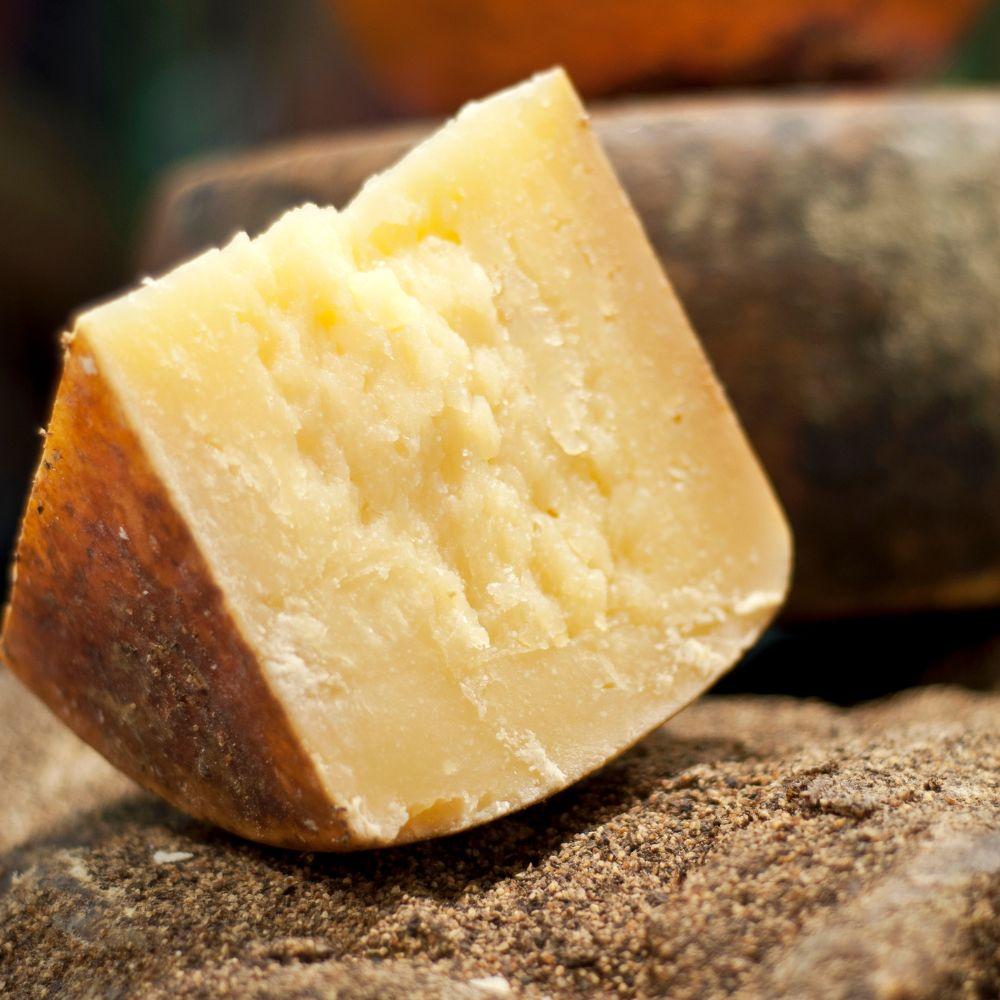
Pecorino Romano
If you fell in love with Roman pasta, Pecorino Romano deserves a place near the top of your shopping list.
Made from sheep's milk, this salty, sharp cheese is one of the defining ingredients of Roman cuisine. It is traditionally used in dishes such as cacio e pepe, carbonara and gricia, where its strong flavor plays a central role.
At home, grate it over pasta, vegetables or soups, or serve thin pieces with honey and wine.
Whenever possible, buy it from a reputable cheese shop or market stall and ask for it to be packed appropriately for travel.
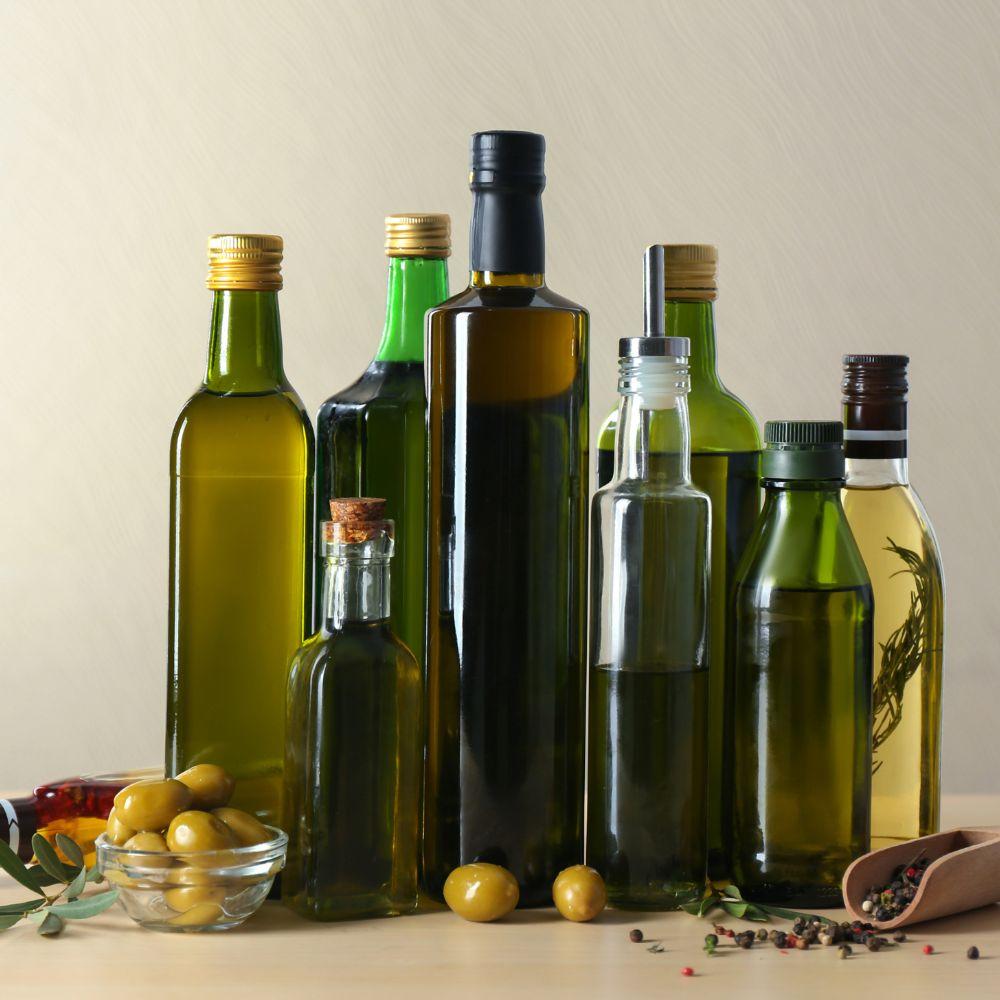
Extra Virgin Olive Oil
A good bottle of extra virgin olive oil may be one of the most useful souvenirs you bring home from Italy.
Italian olive oils vary considerably depending on the region, olive variety and harvest. Some are delicate and grassy, while others are peppery, fruity or pleasantly bitter.
Quality matters because olive oil is fundamental to Italian cooking. It can transform something as simple as bread and tomatoes, vegetables or a bowl of pasta.
Look for clearly stated origin information and ask the shopkeeper about small producers from Lazio or another Italian region you visited. Smaller bottles are also much easier to pack safely in a suitcase.
Dried Pasta
There is something particularly satisfying about opening your pantry at home and finding a package of pasta brought back from Rome.
Dried pasta is inexpensive, durable and easy to transport, making it one of the best food souvenirs from Italy.
Look for artisan varieties made with high-quality durum wheat and choose shapes that connect to Roman cooking, such as:
- Rigatoni;
- Spaghetti;
- Tonnarelli.
Combine them with Pecorino Romano and you already have the beginnings of a Roman dinner waiting at home.
Truffle products and gourmet condiments
For something more indulgent, truffle products make elegant Italian food gifts.
Small jars or truffle cream, spreads and sauces travel easily and can turn a simple plate of pasta, eggs, or risotto into something special.
Other gourmet products worth looking for include porcini mushrooms, artichokes, sun-dried tomatoes, balsamic vinegar and regional sauces.
Choose specialty stores rather than souvenir shops whenever possible, particularly for expensive products such as truffle oil.
Italian cured meats
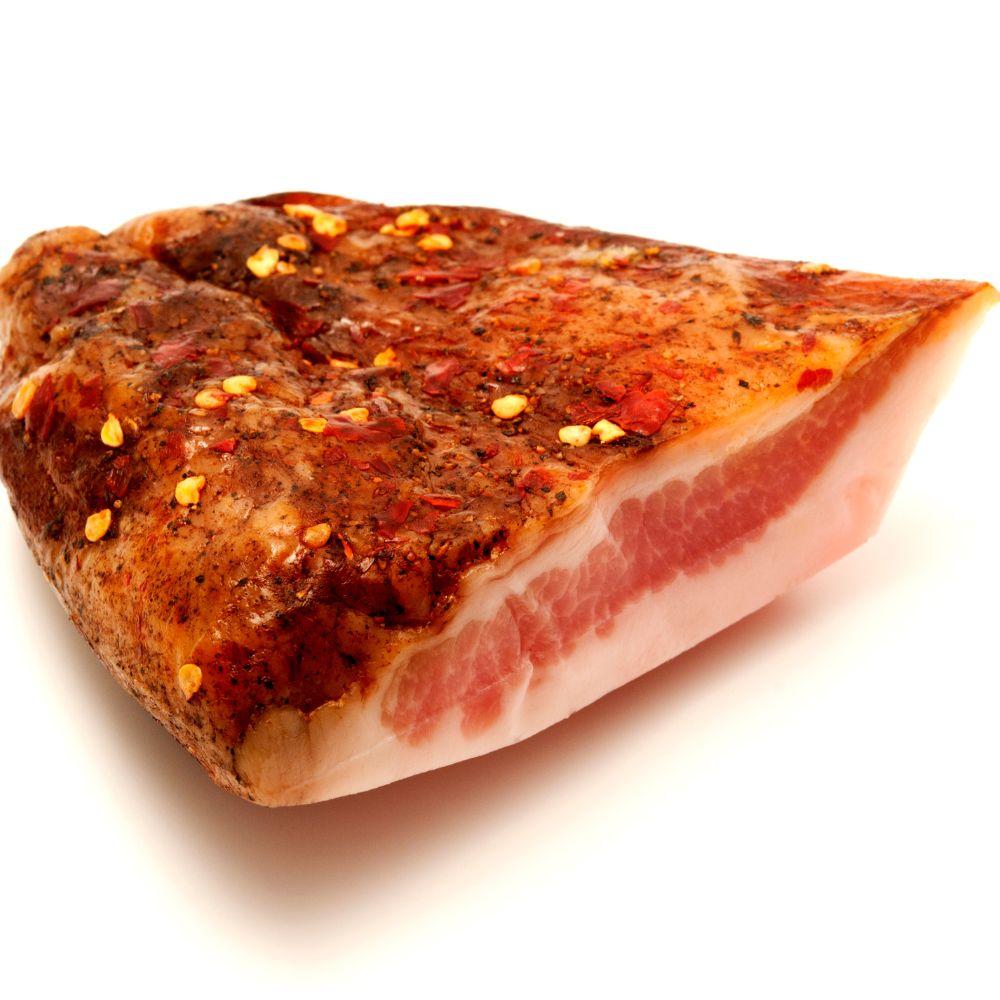
A traditional salumeria filled with prosciutto, salami and guanciale is one of the hardest places to leave empty-handed.
Guanciale, curd pork cheek, is particularly important in Roman cuisine and is traditionally used in carbonara, amatriciana and gricia.
However, meat products are subject to strict customs regulations in many countries. Travelers returning to the United States, for example, should check current USDA rules before nuying cured meats to take home.
Vacuum packaging may help with storage, but it does not override import restrictions.
The best sweet food souvenirs from Rome
Rome also offers plenty of options for travelers who would rather bring home something sweet.
Traditional bakeries, chocolate shops and neighborhood pasticcerie are particularly good places to browse because many Italian sweets are naturally suitable for traveling.
Italian chocolate and artisan sweets
Italian chocolate makes an easy and elegant gift, especially when bought from an independent chocolatier or specialty shop.
Look for dark chocolate, hazelnuts, pistachios, citrus flavors or regional specialties from different parts of Italy.
During the hot Roman summer, however, remember that chocolate and an August afternoon do not always make the best travel companions.
Traditional Roman Cookies
Dry cookies are much easier to transport than fresh pastries.
Biscotti, tozzetti and other artisanal baked goods are excellent choices because they have a good shelf life and pair beautifully with coffee or dessert wine.
Tozzetti, traditionally made with nuts, are especially associated with Lazio and are worth looking for in local bakeries.
Panettone and Seasonal sweets
Visiting Italy around Christmas opens an entirely new category of edible souvenirs.
Artisan panettone, pandoro, torrone and festive chocolates fill bakeries and gourmet shops during the holiday season. Around Easter, you will find colomba and traditional chocolate eggs.
An artisan panettone can make an impressive gift, provided you still have enough space in your suitcase.
The Best Drink to Bring Home from Rome
Some of the most memorable Italian souvenirs come in bottles or coffee bags rather than food packaging.
Rome is a wonderful place to discover wine, liqueurs and coffee, particularly if you take time to taste before deciding what to bring home.
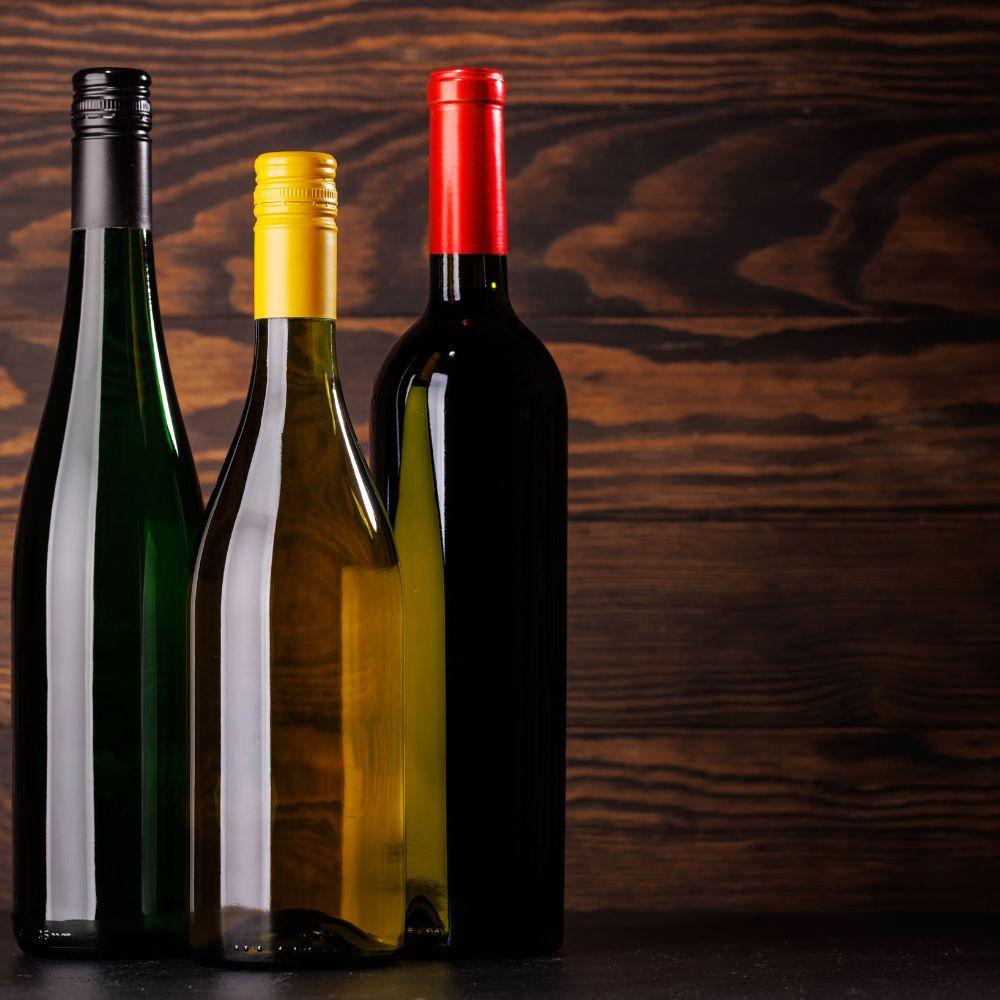
Italian Wine
A bottle of wine allows yout to choose exactly when you want to revisit your Italian vacation.
While in Rome, look for wines from Lazio, including bottles from Frascati and the Castelli Romani. A good enoteca can also introduce you to wines from Tuscany, Piemonte, Veneto, Sicily and other Italian regions.
Limoncello and Italian Liqueurs
Limoncello is strongly associated with southern Italy, particularly Campania, but it remains one of the most recognizable souvenirs from Italy.
Rome's wine shops also sell amari, grappa, nocino and many other regional digestivi.
Look for smaller producers and ask where the bottle comes from. Discovering the story behind a liqueur makes the souvenir far more memorable.
Specialty Coffee
Coffee may be one of the easiest food souvenirs to pack.
A bag of beans or ground coffee is compact, durable and instantly useful when you return home.
Roman coffee culture revolves around quick espressos, cappuccinos at breakfast and bustling neighborhood bars. Buying coffee from a local roaster or historic coffee shop gives you an easy way to recreate a small part of that morning ritural.
Where to Find Authentic Food Experiences and Local Flavors in Rome
Knowing what to buy becomes much easier once you understand how Romans actually eat.
Markets, neighborhood bakeries, wine bars and trattorias give travelers a clearer idea of which ingredients matter locally and how they are traditionally used.
Explore Rome Through is most authentic food neighborhoods
Food tours are an excellent way to discover local products before deciding what belongs in your suitcase.
Our Prati and Vatican Food Stroll explores the area around Mercato Trionfale, where travelers can discover produce, cheeses, cured meats and everyday Roman food culture.
The Trastevere Evening Stroll introduces guests to Roman street food, traditional recipes and local trattorias in one of the city's most atmospheric neighborhoods.
Wine lovers can explore hidden enotecas through our Secret Roman Wine Bar Tour, combining tastings with wine bars, local food spots and contemporary Roman flavors.
Where to buy authentic food souvenirs in Rome
Once you know what you are looking for, Rome offers plenty of places to shop.
Mercato Trionfale is one of the city's largest traditional markets and is particularly convenient when visiting the Vatican Area. Mercato Testaccio combines fresh produce and specialist stalls with excellent casual food options.
Campo de' Fiori is more tourist-oriented, but it can be still be enjoyable for its atmosphere and seasonal products. Compare stalls carefully rather than assuming every attractively packaged product is locally made.
For packaged goods, look for traditional alimentari, specialty food stores, bakeries and gourmet shops.
For wine, choose an enoteca where you can ask questions and ideally taste before purchasing.
What food Souvenirs Can you Bring Home From Italy?
Before filling your suitcase with cheese, olive oil and wine, check the customs rules of your destination country.
Regulations vary, particularly for meat, dairy products, fresh produce and alcohol.
For international travelers, keep a few practical points in mind:
- Keep food in its original packaging when possible
- Retain receipts showing where products were purchased
- Check customs restrictions for meat and fresh food
- Pack bottles carefully in checked luggage
- Remember that vacuum packing does not automatically make a restricted product admissible
- Consider shelf life, especially for cheese and baked goods
For travelers returning to the United States, agricultural products should be declared when required, and current USDA and Customs guidance should always be checked before departure.
How to Shop for Food like a Local in Rome
Shopping for food in Rome becomes much more enjoyable when you slow down and pay attention to origin, seasonality and quality.
Romans tend to know what they are buying and often have favorite producers, market stalls or neighborhood stores they return to regularly.
Start by reading labels. Look for where the product was made, which ingredients were used and whether an olive oil or cheese has a clearly stated origin.
Then ask questions. Useful phrases include:
È locale? — Is it local?
Dove viene prodotto? — Where is it made?
Quale mi consiglia? — Which one do you recommend?
Good shopkeepers are usually happy to offer advice, particularly when customers show genuine interest.
It also helps to avoid stores where every product appears designed primarily as a souvenir. Attractive packaging is fine, but quality should always come first.
And when a tasting is offered, take advantage of it. A spoonful of olive oil or a small piece of cheese will tell you far more than a decorative label.
Bring home the flavors of Rome with InRome Cooking
Eventually, every Roman vacation reaches the same stage: trying to fit one final package of pasta into a suitcase that was much easier to close when you arrived.
Choose the right food souvenirs from Rome, though, and unpacking becomes part of the trip. There may be Pecorino waiting for your first homemade cacio e pepe, coffee for the next morning, a bottle of wine saved for dinner with friends and perhaps a bag of biscotti that disappears before anyone else gets to try them.
At InRome Cooking, our cooking classes and food tours are designed to help travelers understand the ingredients, traditions and people behind Roman cuisine.
From lively markets and neighborhood trattorias to hidden wine bars and hands-on cooking experiences, you can discover how Romans shop, cook and eat before choosing which flavors deserve a place in your suitcase.
That way, when you return home and recreate your favorite Roman dish, the memory behind every ingredient comes with it.
Back to top