Italy is one of those rare places where food it'about time. The time of the year, the harvest, the local market stalls overflowing with what nature decided to offer that week. When Italians talk about food, they rarely start with what they want to eat. They start with what's in season.
Seasonal Food in Italy: What to Eat Month by Month
Italian cuisine is deeply tied to regional agriculture and seasonal ingredients, and knowing when to eat something is often just as important as knowing what to eat. Carbonara and pizza can be eaten throughout the whole year, but many of the dishes Italians truly crave only appear when the right ingredients arrive in the market.
This guide walks travelers through Italy's food calendar month by month, highlighting what to eat in each season, with a special focus on Rome and the lazio region, where seasonal traditions are still deeply rooted in everyday cooking.
Winter in Italy: Comfort, Tradition, and Slow Cooking
Winter in Italy is a season of slow cooking, rustic flavors, and comforting dishes that reflect centuries of rural tradition. When temperatures drop, Italian kitchens turn toward heary recipes designed to warm both body and soul.
This is the time for braised meats, rich soups, and long-simmered sacues, dishes that developed in farming communities where cooks used every part of the animal and relied on preserved ingredients. The result is a cuisine that feels deeply satisfying and incredibly authentic.
What to Eat in Italy in Winter
Across the country, winter menus highlight dishes that bring warmth and depth of flavor.
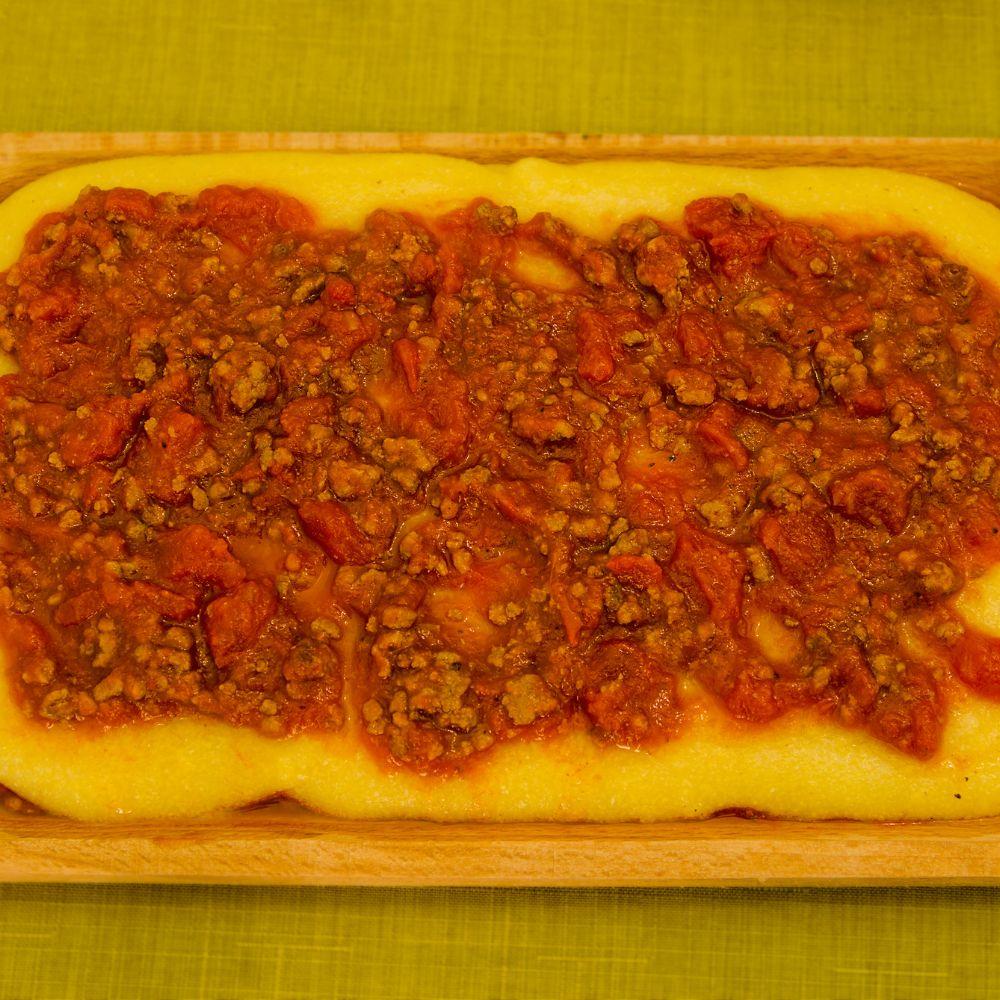
In northern Italy, polenta becomes a saple, often served with braised meats, mushrooms, or slow-cooked sauces. In Tuscany, the famous Ribollita (a thick soup of beans, vegetables, and bread) embodies the region's tradition of cucina povera, turning simple ingredients into something extraordinary.
Further north in Lombardy, Ossobuco takes center stage. This rich braised veal shank dish, often served with saffron risotto, is the definition of winter comfort food.
You'll also find plenty of hearty soups and stews across the country, each region adding its own seasonal vegetables and local traditions.
What to Eat in Rome in Winter
Winter is also one of the best seasons to explore Rome's traditional cucina romana, which tends to be bold, rustic, and deeply satisfying.
One of the stars of the Roman winter table is the artichoke. Two famous preparations dominate menus: carciofi alla romana, braised with herbs and olive oil, and carciodi alla giudia, the iconic Jewish-Roman deep-fried artichoke that becomes perfectly crispy and golden.
Another beloved dish is coda alla vaccinara, a slow-cooked oxtail stew simmered for hours until the meat becomes incredibly tender.
You'll also often find trippa alla romana, a traditional tripe dish cooked with tomato, mint, and pecorino. If you're curious about this classic Roman recipe, you can read more about it in our dedicated article!
Spring in Italy: Fresh Greens and Celebration
After the richness of winter, spring in Italy feels like a culinary rebirth. Markets suddenly fill with fresh vegetables, young cheeses, and vibrant herbs, and kitchens shift toward lighter, greener dishes.
Spring is also closely tied to Easter Celebrations, one of the most important holiday in Italy. Many dishes served during this season reflect themes of renewal, abdundance, and shared family meals.
What to Eat in Italy in Spring
Spring ingredients bring brightness and freshness to Italian cooking.
One of the simplest and most beloved seasonal combinations is fresh fava beans with pecorino cheese. Locals often enjoy them as a snack or antipasto, especially during outdoor picnics and spring festivals.
Another seasonal favorite is asparagus risotto, where delicate asparagus adds a fresh graddy flavor to creamy rice.
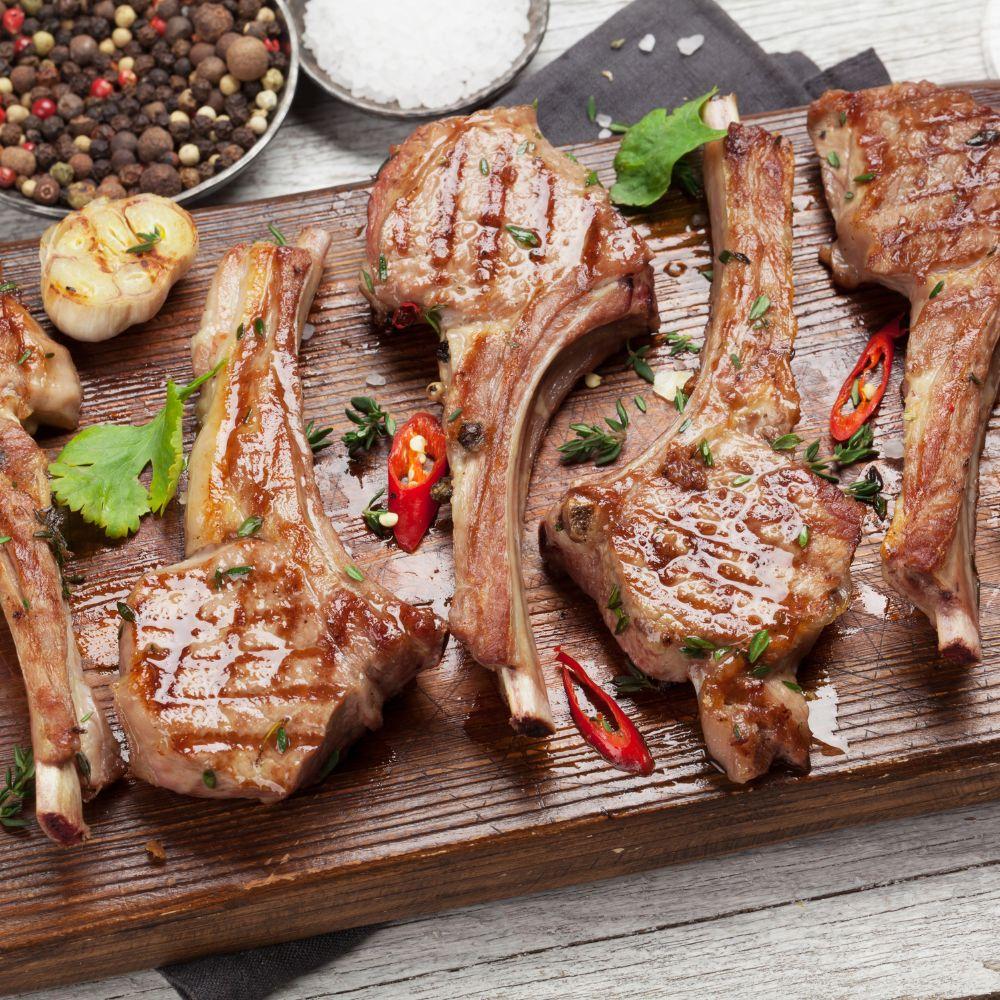
Spring is also traditionally the season for lamb, especially during Easter celebrations. Roast lamb or lamb stews appear across Italy, often seasoned simply with herbs and olive oil.
To finish the meal, many italians enjoy colomba pasquale, the iconic dove-shaped Easter cake that resembles panettone but with a lighter, citrusy flavor.
What to Eat in Rome in Spring
In Rome, spring brings a set of dishes that locals eagerly wait for each year.
One of the most famous is vignarola, a Roman vegetable stew made with artichokes, fava beans, peas, and lettuce: a perfect celebration of the season's freshest produce.
Another essential spring dish is abbacchio, Roman-style lamb typically roasted with garlic, rosemary, and olive oil.
Spring is also the perfect time to enjoy fresh pecorino Romano, which pairs beautifully with seasonal vegetables.
You'll also see zucchini blossoms appearing in markets and trattorias, often stuffed and fried until crisp and delicate.
The overall tone of Roman spring cuisine is fresh, green, and celebratory, reflecting the energy of the season.
Summer in Italy: Simplicity and Sun-Ripened Flavor
Summer in Italy is alla about simplicity. With markets overflowing with perfectly ripe produce, there's often no need for complicated recipes or long cooking times.
Instaed, Italian summer cooking focused on letting ingredients shine, ripe tomatoes, fragrant basil, fresh seasfood, and creamy mozzarella.
What to Eat in Italy in Summer
Few dishes capture Italian summer better than caprese salad, made with juicy tomatoes, fresh mozzarella, basil and drizzle of olive oil.
Another beloved summer dish is pasta alla norma, a Sicilian classic combining eggplant, tomato sauce, and ricotta salata.
Along the coast, fresh seafood becomes the star of many menus, from grilled fish to simple pasta dishes with clams or shrimp.
And of course, no italian summer is complete without gelato. Whether enjoyed during an afternoon stroll or after dinner, it's one of the country's most iconic warm-weather treats.
What to Eat in Rome in Summer
Roman cuisine adapts beautifully to the heat with dishes that are flavorful yet relatively simple. One of the most famous Roman pastas, cacio e pepe, is surprisignly perfect for summer: intense in flavor, but made with few ingredients. If you'de like to learn more about it, see our guide here.
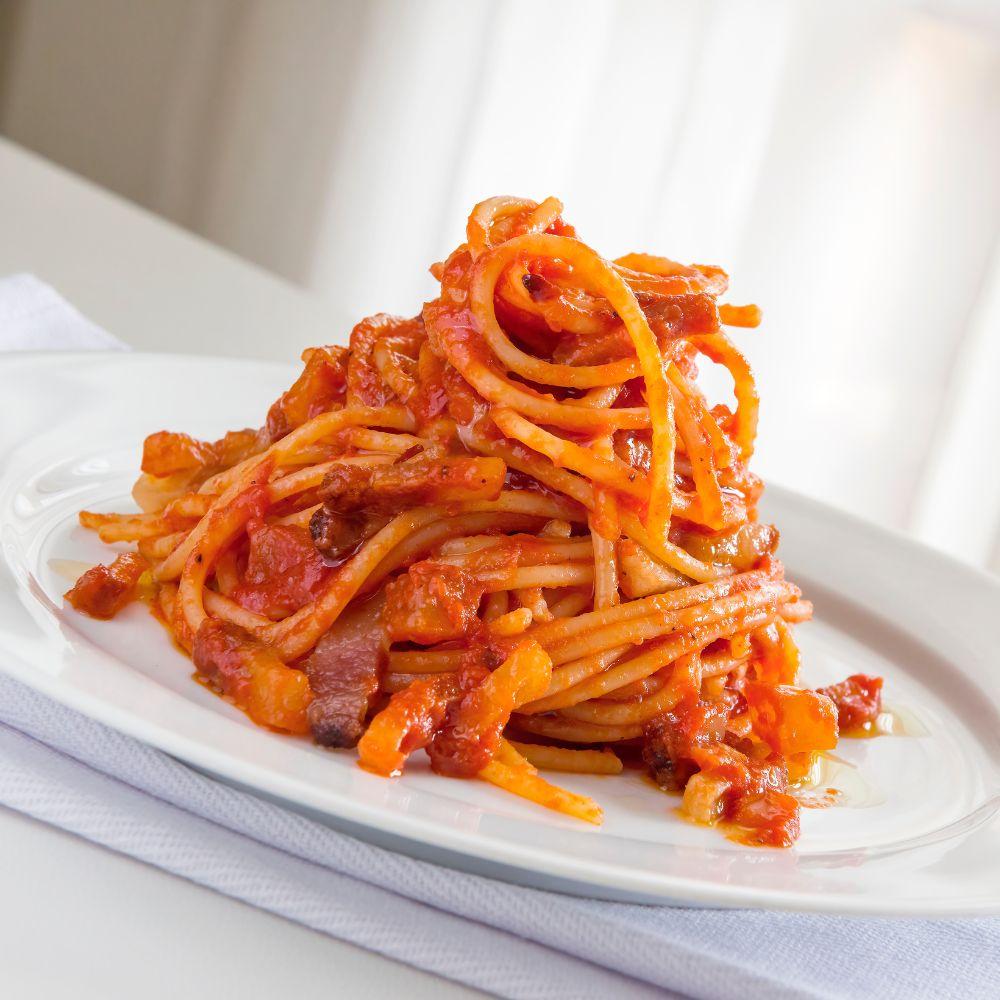
Another Roman favorite is amatriciana, a bold pasta dish with guanciale, tomato, and pecorino. You can explore its story here.
For quick bites between sightseeing stops, local often grab supplì, Rome's beloced fried rice balls filled with melted mozzarella.
Summer mornings in Rome also call for something sweet, like maritozzi, soft cream-filled buns often paired with coffee. And of course, the city is full of fantastic gelato shops — many specializing in artisanal flavors.
Roman summer cuisine feels vibrant, colorful, and ingredient-driven, reflecting the energy of the season.
Autumn in Italy: Harvest, Mushrooms, and Bold Flavors
If there's a season that truly excites food lovers in Italy, it's autumn. As the countyside moves into harvest time, markets begin to fill with deep, earthy flavors that define some of the country's most celebrated dishes.
This is the season of mushrooms, truffles, chestnuts, and fresh olive oil, when Italian cuisine becomes richer and more aromatic.
What to Eat in Italy in Fall
Across Italy, autumn dishes highlight ingredients that come directly deom the forests and fields.
Porcini mushrooms appear in pasta, risotto, and grilled dishes, bringing an unmistakable earthy aroma.
Autumn is also truffle season, particularly in regions like Piedmont and Umbria, where shaved truffles elevate simple dishes into unforgettable experiences.
Antoher seasonal favorite is pumpkin ravioli, especially popular in northern Italy.
Street vendors also begin roasting chestnuts, a nostalgic autumn snack that fills Italian streets with their street aroma.
And perhaps most exciting of all is the arrival of new olive oil, freshly pressed and incredibly vibrant.
What to Eat in Rome in Autumn
In Rome, autumn cuisine shifts toward bold flavors and rustic ingredients.
One of the key pasta dishes of the season is pasta alla gricia, often considered the ancestor of carbonara and amatriciana. You can learn more about it here.
You'll also see plenty of porchetta, slow-roasted pork seasoned with herbs and garlic, sliced and served in sandwiches or as a main dish.
Seasonal greens like chicory appear frequently on Roman menus, often sautéed with garlic and olive oil.
Autumn is also a wonderful time to explore wine harvest traditions in Lazio, when vineyards celebrate the new vintage with festivals and tastings.
The atmosphere of autumn dining in Rome is earthy, aromatic, and deeply satisfying.
Why Eating Seasonally Matters in Italy
To truly understand Italian cuisine, it helps to understand one simple rule: the market decides the menu.
Restaurants across Italy often build their dishes around what's freshest and most abundant that day. If artichokes arrive in the market that morning, they'll likely appear on the menu that evening.
Flavor and quality are closely tied to seasonal ingredients, and many traditional recipes only make sense when those ingredients are at their peak.
Seasonality is also deeply connected to Italian cultural identity. Harvest cycles, regional festivals, and family traditions all revolve around the rhythm of the agricultural year.
Travelers who follow the season eat the way locals do.
How to Experience Seasonal Italian Food Like a Local
Experiencing Italy's seasonal food culture isn't complicated, but it does require a slightly different mindset.
Start by visiting local food markets, where you can see exactly what's in season and how Italians shop for their ingredients, If you're curious about the best markets to explore, check out our guide here.
When dining out, look for "piatti del giorno": the daily special often written on chalkboards or handwritten menus. These usually highlight the freshest ingredients available.
It's also wise to avoid out-of-season foods. If you see strawberries in January, chances are they didn't come from a nearby farm.
Most importantly, trust restaurants that keep their menus simple and seasonal. In Italy, less choice often means better quality.
Rome in particular is an excellent base for exploring Italy's seasonal traditions, thanks to its vibrant markets, historic trattorias, and proximity to the agricultural regions of Lazio.
Cook Seasonal Italian Food with InRome Cooking
Reading about Italian seasonal cuisine is inspiring, but the best way to truly understand it is to cook it yourself.
Want to taste what Italy truly offers during your trip? Join an InRome Cooking classes and learn how to prepare authentic Italian dishes using seasonal ingredients selected from local markets.
You'll cook alongside expert local chefs, discover traditional recipes, and experience firsthand how italians turn simple seasonal ingredients into unforgettable meals.
Come hungry, and leave knowing what Italians really eat, at the right time of the year!
Back to top